

Hey there! I'm a supplier of protective films, and you might be thinking, "Why on earth would a supplier talk about the disadvantages of their own product?" Well, it's simple. I believe in being honest with my customers. Knowing the drawbacks helps you make an informed decision, and that's what builds trust. So, let's dive into the not - so - shiny side of using a protective film.
1. Reduced Screen Clarity
One of the most noticeable issues with protective films is that they can reduce the clarity of your device's screen. Whether it's a phone, tablet, or laptop, the film creates an extra layer between your eyes and the screen. This layer can cause a slight blurring effect, especially in high - resolution displays.
Imagine you're watching a high - definition movie on your tablet. With a protective film on, the colors might not pop as vividly as they would without it. And if you're into gaming, that lack of clarity can be a real bummer. You might miss out on those small details that could give you an edge in the game.
Some cheaper films are more prone to this problem. They might have a lower optical grade, which means they don't transmit light as well as higher - quality ones. But even high - end films can't completely eliminate this issue.
2. Air Bubbles and Imperfections
Applying a protective film is not always a smooth process. More often than not, you end up with air bubbles trapped between the film and the screen. These bubbles can be really annoying, especially if they're right in the middle of your screen. They can distort your view and make it look like there's something wrong with your device.
Even if you manage to get rid of most of the bubbles during the initial application, new ones can form over time. This can happen due to temperature changes or normal wear and tear. And once these bubbles form, it's not always easy to get rid of them. You might have to remove the film and start the application process all over again.
Imperfections like scratches on the film can also occur during the application. If you're not careful, a small piece of dust or debris can get trapped under the film and cause a scratch when you're pressing it down. This not only affects the appearance but also the functionality of the film.
3. Reduced Touch Sensitivity
Another disadvantage is that protective films can reduce the touch sensitivity of your device. The extra layer of material between your finger and the screen creates a barrier, which can make it harder for your device to register your touch accurately.
For example, if you're an artist using a tablet to draw, you might find that the pen strokes don't feel as responsive as they would without the film. Or if you're a gamer who relies on quick taps and swipes, the delay in touch response can cost you the game.
Some films are designed to minimize this issue, but it's still a common problem, especially with thicker films. The thicker the film, the more likely it is to interfere with the touch sensitivity of your device.
4. Yellowing and Discoloration Over Time
Over time, protective films can start to yellow or discolor. This is especially true for films that are exposed to sunlight or high temperatures for long periods. The yellowing not only makes your device look old and dirty but also affects the overall viewing experience.
If you use your phone outdoors a lot or leave it in a hot car, the film is more likely to discolor. And once the film starts to yellow, there's not much you can do about it. You'll have to replace the film, which can be an added expense.
5. Limited Durability
Protective films are not indestructible. They can get scratched, torn, or peeled off easily. If you're someone who is rough on your devices, the film might not last very long.
For example, if you carry your phone in a pocket with keys or other sharp objects, the film is likely to get scratched. And if you accidentally drop your device, the film might not be able to protect it from all types of damage.
Even if you're careful with your device, the film can still wear out over time. The edges of the film can start to peel off, and the adhesive can lose its stickiness. This not only makes the film look bad but also reduces its effectiveness.
6. Cost
Let's talk about cost. While protective films are generally not very expensive, the cost can add up over time, especially if you need to replace them frequently. High - quality films can be quite pricey, and if you have multiple devices that you want to protect, the cost can become a significant factor.
In addition to the cost of the film itself, you might also need to buy additional tools for application, such as a squeegee or a cleaning cloth. And if you're not confident in applying the film yourself, you might have to pay someone else to do it for you.
Solutions and Our Products
Now, I know what you're thinking. "If protective films have all these disadvantages, why should I even bother?" Well, the good news is that not all films are created equal. At our company, we offer a range of high - quality protective films that are designed to minimize these issues.
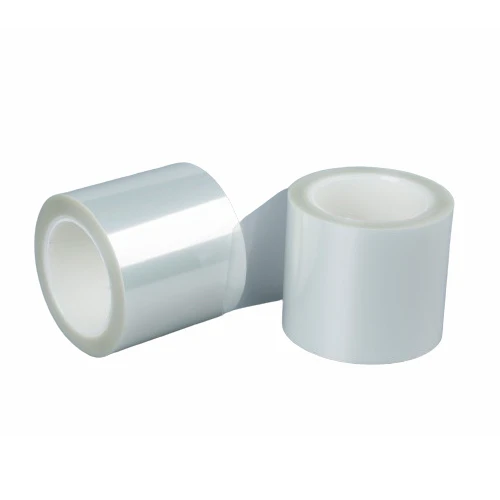

Our Two - Layer Silicone Protective Film is made with a special optical grade material that offers excellent clarity. It's also very easy to apply, with a self - adhesive layer that reduces the chances of air bubbles.
The Pet Film Screen Protector is known for its durability and resistance to scratches. It has a low - friction surface that doesn't interfere with the touch sensitivity of your device.
And our Die - cutting Protective Film is custom - cut to fit your device perfectly, ensuring maximum protection. It's also resistant to yellowing and discoloration, so it will keep your device looking new for longer.
If you're interested in learning more about our products or have any questions, don't hesitate to reach out. We're here to help you find the best protective film for your needs. Whether you're a casual user or a professional who relies on your device for work, we have a solution for you. Contact us today to start a conversation about your protective film requirements.
References
- "The Impact of Screen Protectors on Display Quality" - Journal of Consumer Electronics
- "Touch Sensitivity and Protective Films: A Comparative Study" - Technology Review Magazine
- "Long - Term Durability of Protective Films" - Materials Science Journal