


Founded in 2008 TAILUN is one of the largest coating manufacturers in China, and is committed to the technical research and development and production of adhesive materials in consumer electronics, automotive, electrical and other industries Main products include protective film, adhesive tape, release film and PI products, etc.2008 Suzhou Tailun established / 2014 11x Coating lines; Taiwan Tailun established/2015 13x Coating lines / 2016 Tailun Viet Nam established / 2018 Ju cheng tai established / 2019 Delian established; Ning xia Heng chan established / 2021 Decided to invest in Runbang / 2022 18+2 Coating lines; Ju cheng tai and Run bang went into operation / 2023 Ning xia Hengchang went into operation
Production Market
600+ customers annually. Products are exported to Vietnam, Singapore, India, the United States, Germany and so on.
R&D Capability
7 invention patents, 3 high-tech product certification certificates, 8 utility model patents, national high-tech enterprise, Suzhou Engineering Research Center.
Production Equipment
18 production coating lines / 9 rewinding machines
2 sample coating lines / 18 slitting machines / 11 cutting machines
Our Factory
Founded in 2008 TAILUN is one of the largest coating manufacturers in China, and is committed to the technical research and development and production of adhesive materials in consumer electronics, automotive, electrical and other industries Main products include protective film, adhesive tape, release film and PI products, etc.

Pet Protective Film for Glass Products
With low peel force, good wetting property.High cleanliness and excellent optical performance.Excellent antistatic performance can effectively avoid dust pollution.Good resistance to humidity and heat, no pollution to the backing under high temperature and humidity environment.

With low peel force, good wetting property.High cleanliness and excellent optical performance.Excellent antistatic performance can effectively avoid dust pollution.Good resistance to humidity and heat, no pollution to the backing under high temperature and humidity environment.
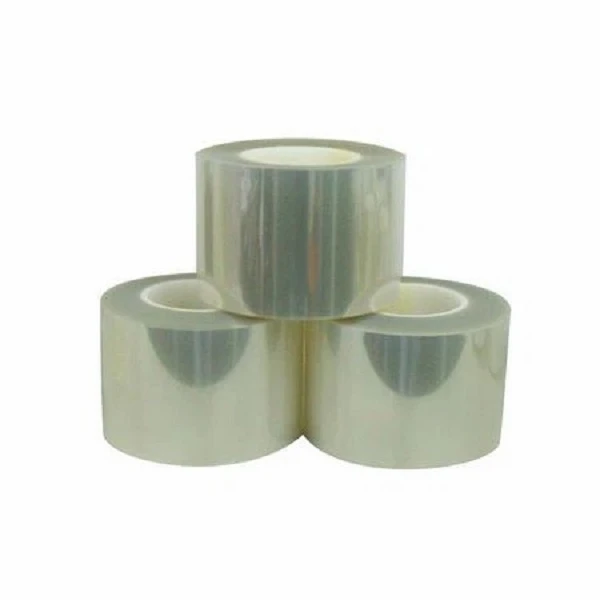
Heat curing protective film is made of PET film as substrate and coated with foaming acrylic PSA. The product has high peel force at normal temperature, and its force decreases after heating, which is easy to be peeled off.

UV curing protective film is made of PET or PO film as substrate and coated with UV curing acrylic PSA. The peel force of the film is extremely high before the irradiation of UV lamp, and will decrease sharply after the irradiation. Then film can be easily peeled without marks.

The protective film is coated and processed in the dust-free room with smooth and flat surface.Products with corresponding pee force for different foams.The product has excellent anti-static performance to avoid dust pollution.

Protective Film for Graphite Sheet
The product is used for transferring, die-cutting process protection and shipment protection after graphite sheet calendared.The protective film is coated and processed in the dust-free room with high cleanliness.

The product has excellent adhesion performance for smooth and foggy polarizers.High cleanliness and excellent optical performance.After peeling off, the polarizer is free of residual adhesive and bubbles.Good weather resistance, heat resistance, acid and alkali resistance.
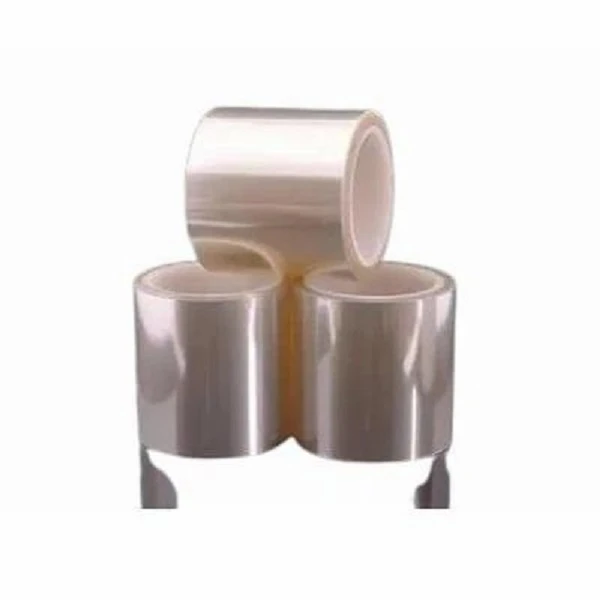
The product is used for FPC transferring, high temperature supporting, shipment and other process protectionThe protective film is coated and processed in the dust-free room with high cleanliness.FPC surface can be inspected without peeling off the protective film.

Heat Temperature Resistance Protective Film
This product is made of treated PET film as substrate and coated with high temperature resistant acrylic PSA.Temperature resistant for 150℃ 30 min.Slight peeling force climbing after high temperature.After high temperature, there is no residual adhesive and no pollution.protection of glass coating, FPC and ITO film.
What is Die-cutting Protective Film
Die-cutting protective film is made of PET or BOPP film as substrate and coated with acrylic or silicone PSA. It is widely used in the process of carrying, transferring and waste removing of various die-cutting materials such as film, tape, graphite sheet and foam. Protective films are an unsung hero in a multitude of industries, from automotive to technology to public health. These films play a crucial role in preserving the integrity of products, ensuring they remain pristine during manufacturing, transportation, and even once they've reached their final destination.
Advantages of Die-cutting Protective Film
Preservation Of Aesthetics
Protective films help maintain the original appearance, finish, and quality of surfaces, preventing the need for touch-ups or costly repairs. This is particularly important for products with high aesthetic value, such as vehicles, electronics, and architectural finishes.
Cost Savings
By preventing damage to surfaces, protective films can significantly reduce the need for repairs, replacements, and rework, saving time and money during manufacturing processes.
Hygiene
Die-cutting protective film can help ensure hygienic conditions in environments like cleanrooms and medical facilities, where surfaces need to be shielded from contaminants.
Quality Assurance
Using protective films ensures that end products reach customers in pristine condition, enhancing customer satisfaction and brand reputation.
Poor Surface Adhesion. If the film peels off too easily there are multiple things that could have caused it:
The surface was not clean enough or was contaminated by dust or moisture.
If the incorrect film for the project was used, it could easily result in an insufficient amount of adhesive or too low a tack for the climate and conditions.
The film was not stretched uniformly during installation creating a distortion and therefore an ineffectual seal.
Debonding. If the film actually separates from the adhesive it leaves a residue on the surface. Adhesive removal is remedied with a clean cloth dipped in an appropriate amount of organic solvent such as ethanol or acetate. Care should be taken during this step so as not to create an additional cosmetic problem to the protected surface upon removal.
Edge Lift. This occurs when ends of the protective film begin to lift off the surface. Common in metal protection where composite protective film is used, it happens especially with aluminum as compared to steel. Again, the right film for the job makes the difference.
The Film Cannot Be Removed. The most common reason for this problem is the quality of the pressure-sensitive adhesive. Beware of manufacturers who have not mastered the production of this very specialized adhesive technology. Some have only tweaked ordinary adhesives by making some improvements to existing formulations - With disastrous consequences.
Another reason why you'd have difficulty removing the film could be an overexposure to sunlight. This is why the UV rating of the film and the determination of how long you need it to adhere is an essential pre-installation determination.
Ghosting. One of the primary objectives of any construction project is to make it a seamless transition, where literally no evidence is left behind. When visual blemishes are apparent on what were supposed to be protected surfaces, the main cause of this "ghosting" is due to residue build up left behind from the markers, cleaners, solvents previously used to clean surfaces. These can be removed with care and diluted solvents.
Attributes Influencing the Choice of Die-cutting Protective Film
Surface Texture of Substrate
The texture of the surface you're looking to protect is a significant determinant in your choice of film. Different films are designed to adhere optimally to various surfaces, ensuring maximum protection and reducing the risk of damage during removal.
Time and Environmental Conditions
The expected duration of exposure and surrounding environmental conditions also influence your film selection. Specifically designed to withstand extended exposure to sunlight, making them ideal for outdoor applications or products exposed to sunlight.
Storage Conditions
Similarly, the storage conditions your product will face also impact your choice of protective films. Variations in temperature, humidity, or exposure to chemicals can all affect a film's performance.
Conditions of Film Application
The circumstances under which you apply the film are another crucial consideration. High temperatures or other specific conditions during application might require specialized films that can withstand such environments without compromising their protective properties.
Surface Gloss
The level of gloss on the surface also plays a part in your choice of protective film. Glossy surfaces may require films with specific adhesive properties to ensure firm adhesion without leaving any residue upon removal.
Surface Preparation and the Use of Solvents
Lastly, how you prepare the surface for the film, including the use of solvents, can influence the type of protective film you choose. Certain solvents might interact negatively with some films, so it's essential to consider this when making your choice.
Why Does the Die-cutting Protective Film Turn Adhesive
The phenomenon of a protective film turning adhesive is usually caused by various factors or improper application. Here are some main reasons that can lead to the protective film turning adhesive:
High Temperature: High temperatures can cause the adhesive on the protective film to become sticky or soften, leading to the film becoming adhesive. This is particularly common in hot weather or high-temperature environments.
Incorrect Adhesive Selection: Using adhesive that is not suitable for a specific application or environmental conditions can result in the film turning adhesive. Some adhesives may be incompatible with certain surfaces or may become unstable at specific temperatures.
Insufficient Adhesion: If the protective film is not adequately adhered to the surface, it may peel off and become adhesive under external forces such as wind or water pressure.
Dust or Grease Contamination: Dust, grease, dirt, or other contaminants on the surface can affect the adhesion of the protective film to the surface, leading to adhesive issues.
Low-Quality or Unsuitable Protective Film: Using low-quality protective film or protective film not suitable for a specific application can lead to adhesive problems. Different types of protective films are suitable for different applications and conditions.
Application Issues: Incorrect application techniques, improper installation, or choosing the wrong tools can lead to the formation of bubbles, wrinkles, or uneven adhesion, ultimately causing the film to become adhesive.
Prolonged Exposure: If the protective film remains on the surface for too long, the adhesive may turn adhesive when detaching from the surface, especially in high-temperature conditions.
Strong External Forces: External forces such as wind, water pressure, physical impact, or pulling can also cause the protective film to become adhesive.
To avoid adhesive issues with protective film, consider the following:
Choose the Right Protective Film: Select a high-quality protective film that is suitable for the specific application and environmental conditions, ensuring compatibility between the adhesive and the surface.
Prepare the Surface: Before applying the protective film, make sure the surface is clean, free of grease, and dust-free to ensure proper adhesion.
Proper Installation: Use appropriate tools and application techniques to ensure the protective film adheres evenly, avoiding bubbles, wrinkles, or excessive stretching.
Regular Inspection and Replacement: Periodically inspect the condition of the protective film, and if issues or damage are observed, replace it promptly to ensure effective surface protection.
Avoid Prolonged Exposure: If the protective film is no longer needed, remove it in a timely manner to avoid prolonged exposure, especially in high-temperature environments.
Follow Manufacturer's Recommendations: Refer to the manufacturer's guidelines and instructions for the protective film to ensure correct application and maintenance.
Flatbed Die Cutting
In this classic die cutting method, the material is put on a flat surface. A flatbed press with a mounted die then applies pressure to accurately cut intricate designs in materials like paper and cardboard.
Clicker-Type Die Cutting
Clicker presses with equipped dies are used to cut shapes by descending onto the material. This method is particularly well-suited for softer materials such as leather, fabric, and gaskets, providing high precision and control over the cutting process.
High-Speed Die Cutting
High-speed die cutting leverages advanced machinery capable of swift and continuous cutting. It is ideal for large-scale production with high-volume demands, such as packaging and automotive manufacturing.
Kiss Cutting
In kiss cutting, the die cuts through the top layer of a material, leaving the backing intact. This technique is commonly applied in producing adhesive-backed products, labels, and decals.
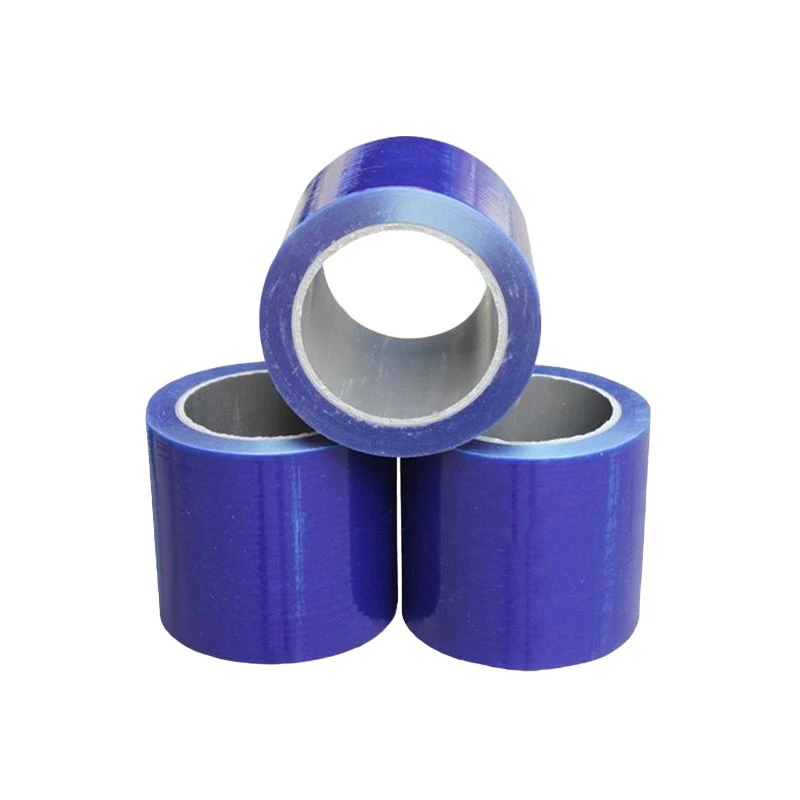
How to Properly Use Die-cutting Protective Film
Clean the Surface
Before applying the protective film, thoroughly clean the covered surface. Remove dust, grease, dirt, and impurities to ensure the protective film adheres tightly and doesn't create bubbles or stains on the surface.
Measure and Cut
Before applying the protective film, measure the required dimensions and cut it to fit the covered surface accurately. Using measuring tools and cutting equipment ensures precise sizing and shape.
Use Specialized Tools
For large or complex surfaces, using specially designed tools like squeegees or application knives can help evenly apply the protective film and remove air and bubbles.
Application and De-Airing
When applying the protective film, carefully affix it to the surface while using gentle hand pressure or a squeegee to remove air and bubbles. Always push from the center towards the edges to ensure even application.
Avoid Overstretching
Avoid overstretching or distorting the protective film during application to prevent uneven tension or wrinkles.
Edge Treatment
Ensure the edges of the protective film are securely bonded to the surface to prevent dirt and moisture from infiltrating the edges.
Avoid Using Sharp Objects
Avoid using sharp tools or objects that may scratch or penetrate the protective film, as this can compromise its protective function.
Regular Inspection
Periodically check the condition of the protective film, especially in high-risk areas or adverse environmental conditions. If the protective film is damaged or starts to wrinkle, replace it promptly to maintain optimal protection.
Gentle Cleaning
When cleaning the surface covered by the protective film, avoid abrasive or corrosive cleaning agents to prevent damage to the film. Use mild cleaning agents and a soft cloth for cleaning.
Regular Replacement
Protective film is typically not permanent and may wear or become damaged over time. Depending on usage, regularly replace the protective film to ensure it continues to provide the best protection.
How to Maintain Die-cutting Protective Film
While the protection film we use is durable and resistant to damage, it's still important to avoid harsh chemicals that could potentially damage the film. Something like brake fluid, gasoline, bleach, and other strong cleaners is a no-go zone. Instead, use gentle, pH-neutral soap and water to clean your car.
As a rule of thumb, anything that's not good for your car is also not good for your protection film.
Like you do with your car's avoid abrasive materials on your protection film. The list includes things like scrub pads, brushes, and others with hard bristles or fibers that can scratch the film. Wipe away any debris and dirt using a soft microfiber towel.
The temptation to use a pressure washer to blast away the grime is sometimes irresistible. We all want to work smarter! But don't use it on your protection film since the high-pressure water at close range could potentially tear through the film as well as cause it to lift or peel. If you need to pressure wash, keep a safe distance depending on your nozzle size, and pressure.
While waxing is the bee's knees of maintaining the shine and luster of your vehicle's , it's not necessary (or recommended) when you have protection film installed. The wax can build up on the film and cause it to become hazy or discolored over time. This is not what you want! Our film has a ceramic top coat and is hydrophobic from day one. Using a simple spray and wipe ceramic detailer should always keep your film easy to clean and avoid the pitfalls of traditional wax.
While the protection film we use at is designed to withstand UV rays, avoid parking in direct sunlight for extended periods (months on end). This can help prevent the film from drying out, fading, or breaking down over time.


