

Hey there! As a supplier of polarizer protective films, I often get asked about how these nifty little things work to reduce eye strain. Well, buckle up, because I'm about to take you on a deep - dive into the science behind it.
First off, let's talk about what eye strain is. You've probably experienced it at some point - that tired, achy feeling in your eyes after staring at a screen for too long. It can also come with headaches, blurred vision, and dry eyes. In today's digital age, where we're constantly glued to our phones, tablets, and computers, eye strain has become a real problem.
So, how does a polarizer protective film come to the rescue? To understand that, we need to know a bit about light. Light travels in waves, and it can vibrate in all sorts of directions. When light reflects off a surface, like the screen of your device, it becomes polarized. This means that the light waves start vibrating mainly in one direction.
Polarizer protective films are designed with a special structure. They have tiny parallel lines that act like a filter. These lines only allow light waves vibrating in a specific direction to pass through. When you apply a polarizer protective film to your screen, it blocks the polarized light that's bouncing off the screen at odd angles.
Let's say you're sitting in a brightly lit room, and the light from the ceiling lamps is reflecting off your phone screen. This reflected light can be really intense and cause glare. The polarizer film will cut down on this glare by filtering out the unwanted polarized light. With less glare, your eyes don't have to work as hard to see what's on the screen. It's like wearing sunglasses on a sunny day - they reduce the glare from the road and make it easier for you to see clearly.
Another aspect is the reduction of blue light. Blue light is a high - energy, short - wavelength light that's emitted by digital screens. Too much exposure to blue light can disrupt your sleep patterns, cause eye fatigue, and even damage your eyes in the long run. Polarizer protective films can also be engineered to filter out a certain amount of blue light. They have special pigments or coatings that absorb or reflect the blue light waves.
Now, I know what you're thinking - "That sounds great, but how does it compare to other types of protective films?" Well, there are different kinds of protective films out there, like the Reticulate Protection Film. This type of film has a unique reticulated pattern that can provide some level of scratch protection. But when it comes to reducing eye strain, it doesn't have the same polarizing capabilities as our polarizer protective films.
Then there's the Heat Curing Protective Film. This film is cured using heat to create a hard, durable surface. It's great for protecting your screen from scratches and impacts. However, it doesn't address the issue of glare and blue light like a polarizer film does.
And the Heat Temperature Resistance Protective Film is designed to withstand high temperatures. It's useful in environments where the device might get hot, but it doesn't offer the eye - strain - reducing benefits of a polarizer film.
So, if you're looking for a film that can not only protect your screen but also take care of your eyes, a polarizer protective film is the way to go.
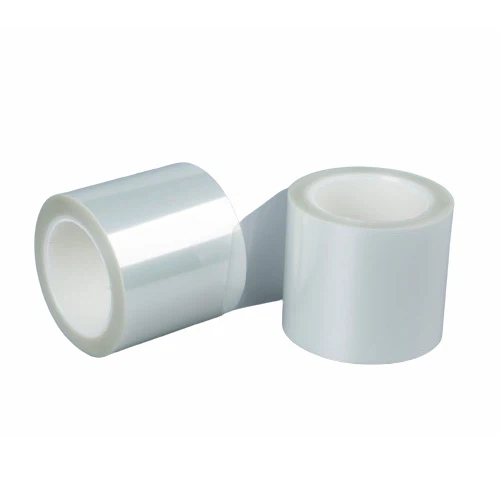

Let's get a bit more technical about how the polarizer film reduces eye strain. When you look at a screen without a polarizer, your eyes are constantly adjusting to the changing light conditions. The glare from the reflected light makes the image on the screen look washed out and less clear. Your eyes have to constantly squint and focus to make out the details. This continuous adjustment of the eye muscles can lead to fatigue.
With a polarizer film, the light reaching your eyes is more uniform. The film evens out the light distribution on the screen, making the image look sharper and more vivid. Your eyes don't have to work as hard to see the content, which means less strain on the eye muscles.
Moreover, the blue - light filtering property of the polarizer film helps in reducing the overall stress on your eyes. Blue light has a higher energy level, and when it hits the retina in your eye, it can cause oxidative stress. This can damage the cells in the retina over time. By filtering out a portion of the blue light, the polarizer film acts as a shield for your eyes, protecting them from this potential damage.
Now, I've been in the protective film business for a while, and I've seen the difference these polarizer films can make. Customers who have switched to using our polarizer protective films have reported less eye fatigue, better sleep, and an overall more comfortable viewing experience.
Whether you're a gamer who spends hours in front of a monitor, a professional who works on a laptop all day, or just someone who loves scrolling through their phone, a polarizer protective film can be a game - changer.
If you're interested in learning more about our polarizer protective films or are looking to make a purchase, I'd love to chat with you. We offer a wide range of polarizer films suitable for different devices, from smartphones to large - screen TVs. Our films are of the highest quality, and we're constantly innovating to improve their performance.
So, don't let eye strain get you down. Take the first step towards better eye health and a more enjoyable screen - viewing experience by considering our polarizer protective films. Get in touch with us to start a conversation about your specific needs. We're here to help you find the perfect solution for your device and your eyes.
References
- "Blue Light and Your Eyes" by the American Academy of Ophthalmology
- "The Effects of Polarized Lenses on Visual Performance" from the Journal of Optometry