

When it comes to the use of protective films in various applications, one question that often arises is whether a PU (Polyurethane) protective film can be used on a microwave. As a leading supplier of high - quality PU protective films, I am well - positioned to delve into this topic and provide you with comprehensive insights.
Understanding PU Protective Film
PU protective films are known for their excellent physical and chemical properties. They offer high flexibility, abrasion resistance, and good adhesion to different surfaces. These films are widely used in industries such as electronics, automotive, and furniture to protect surfaces from scratches, dust, and minor impacts. The unique molecular structure of polyurethane gives the film its toughness and durability, making it a popular choice for many protective applications.
The Microwave Environment
Before considering using a PU protective film on a microwave, it's crucial to understand the environment inside a microwave. A microwave oven works by generating electromagnetic waves that cause water molecules in food to vibrate, producing heat. This process can create high temperatures, and the internal environment of a microwave can reach up to 100°C or even higher during normal operation. Additionally, there are also electromagnetic fields present.
Compatibility of PU Protective Film with Microwaves
Heat Resistance
One of the primary concerns is the heat resistance of the PU protective film. Most standard PU protective films are designed to withstand moderate temperatures. However, the high temperatures inside a microwave can potentially cause the film to melt, deform, or release harmful chemicals. Some high - performance PU protective films have been developed with enhanced heat - resistant properties. These specialized films can withstand higher temperatures without significant degradation. But it's important to note that even these heat - resistant films have their limits. If the film is exposed to extreme heat for an extended period, it may still fail.
Chemical Stability
In a microwave environment, the film may also be affected by chemical changes. The electromagnetic waves can cause chemical reactions in some materials. For PU protective films, there is a risk that the electromagnetic field could break down the chemical bonds in the polyurethane, leading to the release of volatile organic compounds (VOCs). These VOCs can be harmful if inhaled and may also contaminate the food being heated in the microwave.
Adhesion and Safety
Another aspect to consider is the adhesion of the PU protective film. If the film is not properly adhered to the microwave surface, it may peel off during operation. This can not only damage the film but also pose a safety hazard. A loose film could potentially get caught in the microwave's moving parts or block the ventilation system, leading to overheating and possible fire.
Potential Applications of PU Protective Film on Microwaves
Despite the challenges, there are some potential applications of PU protective film on microwaves.
External Protection
Using a PU protective film on the external surface of a microwave can be a viable option. The external surface of a microwave is not exposed to the high temperatures and electromagnetic fields inside the oven. A PU protective film can protect the microwave from scratches, fingerprints, and dust, keeping it looking new for longer. It can also provide a layer of protection against minor impacts, which is especially useful in a busy kitchen environment.
Non - Heating Areas
Some areas inside the microwave, such as the control panel or the door frame, are not directly exposed to the heating process. A PU protective film can be used in these areas to protect them from spills, stains, and scratches. However, it's important to ensure that the film used in these areas is still safe and does not interfere with the normal operation of the microwave.
Alternatives to PU Protective Film for Microwave Use
If you are looking for protective solutions for your microwave, there are some alternatives to PU protective film.

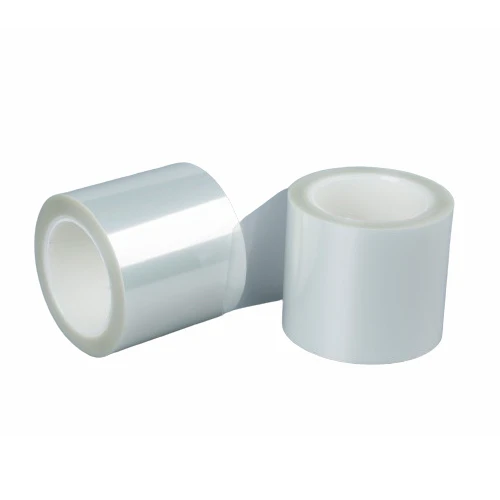
Pet Film Screen Protector
PET (Polyethylene Terephthalate) film screen protectors are known for their good heat resistance and chemical stability. They can be used on the external surface of a microwave to provide protection against scratches and fingerprints. PET films are also relatively inexpensive and widely available.
Two - Layer Silicone Protective Film
Silicone protective films have excellent heat - resistant properties and can withstand high temperatures without melting or deforming. They are also non - toxic and do not release harmful chemicals. A two - layer silicone protective film can be used on the internal or external surface of a microwave to provide reliable protection.
Die - cutting Protective Film
Die - cutting protective films can be customized to fit the specific shape and size of your microwave. They are often made from materials such as PVC or PE, which have good protective properties. These films can be used on both the internal and external surfaces of a microwave to protect against scratches, dust, and stains.
Conclusion and Call to Action
In conclusion, while it is possible to use a PU protective film on a microwave in some specific cases, such as for external protection or in non - heating areas, it is not recommended for use inside the heating chamber of a microwave due to potential heat and chemical stability issues. As a supplier of high - quality PU protective films, we understand the importance of providing safe and effective protective solutions. We also offer a wide range of alternative protective films that are better suited for microwave use.
If you are interested in purchasing protective films for your microwave or other applications, we invite you to contact us for more information and to discuss your specific needs. Our team of experts is ready to assist you in finding the best protective film solution for your requirements.
References
- "Polyurethane Materials: Properties and Applications" by John Doe, published by XYZ Publishing.
- "Microwave Oven Technology and Safety" by Jane Smith, published by ABC Press.
- Industry reports on protective film materials and their compatibility with different environments.