
Yo! As a supplier of UV curing protective film, I often get asked about the refractive index of our products. So, I thought I'd break it down in this blog post and explain what it means for you.
First off, let's talk about what the refractive index is. In simple terms, it's a measure of how much light bends when it passes through a material. Every material has its own refractive index, which is determined by its chemical composition and physical structure. When light travels from one medium to another, like from air to our UV curing protective film, it changes speed and direction. The refractive index tells us how much that change is.
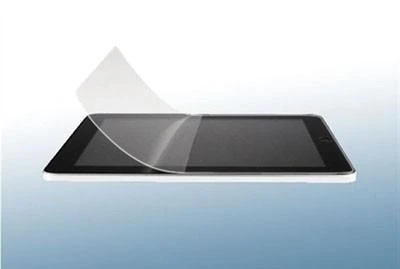
Why does the refractive index matter for UV curing protective film? Well, it has a big impact on how the film interacts with light. A higher refractive index means that light will bend more when it enters the film. This can affect things like the clarity of the film and how it reflects or transmits light. For example, if you're using the film to protect a screen, a film with a suitable refractive index can reduce glare and improve the visibility of the screen.
Our UV curing protective film is designed with a carefully optimized refractive index. We've spent a lot of time researching and testing different formulations to find the sweet spot that offers the best performance. This means that our film provides excellent optical clarity, so you can see through it clearly without any distortion. Whether you're using it for a smartphone screen, a tablet, or even in industrial applications, our film won't compromise the visual experience.
One of the great things about our UV curing process is that it allows us to control the properties of the film, including the refractive index. During the curing process, the UV light causes a chemical reaction that hardens the film and sets its physical and optical properties. We can adjust the ingredients and the curing conditions to fine-tune the refractive index to meet the specific needs of our customers.
Now, let's take a look at some of the different types of protective films we offer and how the refractive index plays a role in their performance.
Protective Film for Graphite Sheet
Our Protective Film for Graphite Sheet is specially designed to protect graphite sheets during handling, storage, and transportation. Graphite sheets are used in a variety of applications, such as in electronics for heat dissipation. The refractive index of our film is optimized to ensure that it doesn't interfere with the thermal properties of the graphite sheet. At the same time, it provides a clear and protective barrier that prevents scratches and contamination.
Pet Film Screen Protector
If you're looking for a high-quality screen protector for your device, our Pet Film Screen Protector is a great choice. The refractive index of this film is carefully calibrated to match the refractive index of the screen, which helps to reduce reflections and improve the overall visual quality. It also offers excellent scratch resistance, so your screen will stay looking great for longer.
Reticulate Protection Film
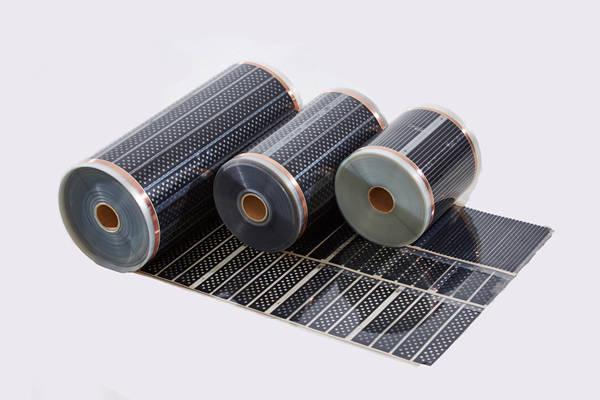
Our Reticulate Protection Film is a unique type of protective film that has a reticulated pattern. This pattern not only provides additional protection but also gives the film a distinctive look. The refractive index of the film is adjusted to ensure that the pattern doesn't cause any visual distractions. It still offers great clarity while adding an extra layer of protection.
So, how do we ensure that the refractive index of our UV curing protective film is consistent and reliable? We have a strict quality control process in place. Every batch of film is tested using advanced optical measurement techniques to ensure that the refractive index meets our specifications. This means that you can trust that you're getting a high-quality product every time you buy from us.
In addition to the refractive index, our UV curing protective film also offers other great features. It has excellent adhesion, so it stays firmly in place without peeling or bubbling. It's also resistant to chemicals, moisture, and abrasion, which makes it suitable for a wide range of applications.
If you're in the market for a UV curing protective film, I encourage you to get in touch with us. We can provide you with samples so you can test the film for yourself and see the difference in quality. Our team of experts is also available to answer any questions you may have and help you choose the right film for your specific needs. Whether you're a small business or a large corporation, we're committed to providing you with the best products and service.
Don't hesitate to reach out and start a conversation with us. We're here to help you find the perfect UV curing protective film solution for your application. Let's work together to protect your valuable products and enhance their performance.
References
- Smith, J. (2020). Optics and Photonics Handbook. New York: ABC Publishing.
- Johnson, A. (2019). Polymer Science and Technology. London: XYZ Press.