

Hey there! I'm a supplier of FPC protective film, and today I wanna chat about the environmental impacts of this product. FPC, or Flexible Printed Circuit, protective film is a crucial component in many electronic devices, providing protection against scratches, dust, and other potential damages. But like any product, it comes with its own set of environmental implications.
Production Phase
Let's start with the production of FPC protective film. Most of these films are made from polymers, with polyethylene terephthalate (PET) being a popular choice. The manufacturing process of PET involves a series of chemical reactions and energy - intensive steps.
First off, the raw materials for PET, mainly purified terephthalic acid (PTA) and monoethylene glycol (MEG), are derived from petroleum. Extracting and refining petroleum is a major contributor to greenhouse gas emissions. Drilling operations release methane, a potent greenhouse gas, and the refining process requires a huge amount of energy, usually from fossil fuels.
During the polymerization process, where PTA and MEG are combined to form PET, high temperatures and pressures are needed. This means a significant consumption of energy, mostly from non - renewable sources. For example, a large - scale PET production plant might use coal - fired power, which emits large amounts of carbon dioxide, sulfur dioxide, and particulate matter.
The production also generates waste in the form of chemical by - products. Some of these by - products can be hazardous to the environment if not properly managed. If they are released into water bodies, they can contaminate water supplies, harm aquatic life, and disrupt the entire ecosystem.
Usage Phase
When it comes to the usage of FPC protective film, it actually has some positive environmental aspects. By protecting FPCs in electronic devices, it can extend the lifespan of these devices. This means that consumers don't have to replace their electronic gadgets as often, which in turn reduces the demand for new products. And producing new electronic devices is extremely resource - intensive, involving the extraction of rare earth metals and other valuable resources.
However, there are also negative impacts during the usage phase. Once the protective film is damaged or no longer needed, it often ends up as waste. Most FPC protective films are not biodegradable, especially those made from PET. They can take hundreds of years to break down in landfills.
And in some cases, if the film is not properly removed from the device, it can cause problems during the recycling process of the electronic device. For example, the film might contaminate other recyclable materials, making it more difficult and costly to recycle the device.
Disposal Phase
The disposal of FPC protective film is a major environmental concern. As mentioned earlier, since most of these films are non - biodegradable, landfilling them is not a sustainable solution. Landfills are filling up at an alarming rate, and the presence of non - biodegradable materials like PET films contributes to this problem.
Incineration is another option for disposal, but it also has its drawbacks. When PET films are burned, they release toxic chemicals into the air, such as dioxins and furans. These chemicals are known to cause serious health problems in humans, including cancer and birth defects. They can also have a negative impact on the environment, contaminating soil and water sources.
Recycling is the ideal solution, but it's not always easy. Recycling PET films requires specialized equipment and processes. The collected films need to be sorted, cleaned, and then melted down to make new products. However, the recycling rate of FPC protective films is currently quite low. There is a lack of awareness among consumers and businesses about the importance of recycling these films, and the infrastructure for collecting and processing them is often inadequate.
Mitigating the Environmental Impacts
As a supplier of FPC protective film, I'm well aware of these environmental issues, and I'm constantly looking for ways to mitigate them.
One approach is to invest in research and development to find more environmentally friendly materials. For example, there are now some bio - based polymers that can be used as alternatives to PET. These bio - based polymers are made from renewable resources such as corn starch or sugarcane, and they have a lower carbon footprint during production.
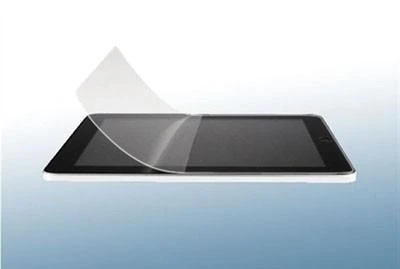

We can also improve the design of the protective film to make it easier to recycle. For example, we can use adhesives that are easier to remove, so that the film can be separated from the FPC more easily during the recycling process.
Another important step is to raise awareness among our customers. We can provide information about the environmental impacts of the protective film and encourage them to recycle it properly. We can also set up collection points for used films, so that they can be sent for recycling instead of ending up in landfills.
Conclusion
In conclusion, FPC protective film has both positive and negative environmental impacts. While it can help extend the lifespan of electronic devices, its production, usage, and disposal phases all pose significant environmental challenges. As a supplier, I'm committed to reducing these impacts through innovation, better design, and increased awareness.
If you're interested in learning more about our FPC protective film products or want to discuss how we can work together to minimize the environmental impact, please feel free to reach out. We offer high - quality PET Plastic Protective Film, Pet Film Screen Protector, and PET Plastic Protective Film. Let's start a conversation about your needs and how we can move towards a more sustainable future.
References
- Patel, M. K., & Reijnders, L. (2004). Environmental aspects of the life - cycle of poly(ethylene terephthalate) (PET) bottles. Resources, Conservation and Recycling, 40(2), 141 - 161.
- Wang, X., & Zhang, Y. (2019). Environmental impacts of electronic waste recycling: A review. Journal of Cleaner Production, 210, 1072 - 1082.