

As a seasoned protective film supplier, I've witnessed firsthand the critical role that high-quality protective films play across various industries. Whether it's safeguarding delicate graphite sheets, glass products, or other surfaces, a good protective film can prevent scratches, abrasions, and contamination, thereby preserving the integrity and appearance of the protected items. In this blog, I'll share some practical tips on how to tell if a protective film is of good quality.
Material Composition
The foundation of a high-quality protective film lies in its material composition. Different materials offer distinct properties, making them suitable for specific applications.
Polyethylene (PE)
PE is a widely used material for protective films due to its excellent flexibility, tear resistance, and cost - effectiveness. It provides a good barrier against dust, moisture, and light scratches. A good PE protective film should be free from impurities and have a uniform thickness. When you touch it, it should feel smooth and have a consistent texture. For less demanding applications where the surface needs basic protection during transportation or storage, PE films are a popular choice.

Polyester (PET)
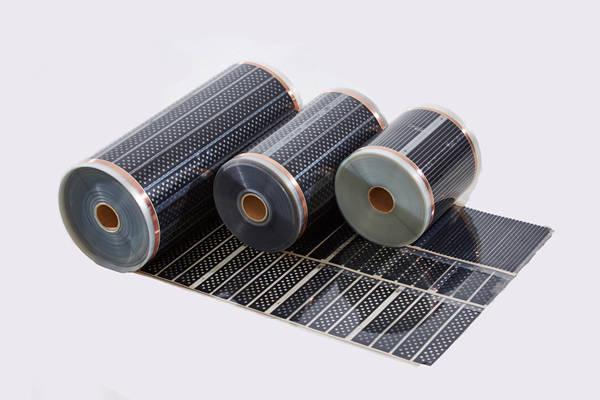
PET protective films are known for their high tensile strength, transparency, and chemical resistance. They are often used in applications where optical clarity is crucial, such as on glass products. Pet Protective Film for Glass Products is a prime example of how PET films can provide clear and reliable protection. A quality PET film should have high light transmittance, low haze, and be resistant to yellowing over time. You can test the transparency by holding the film up to a light source and checking for any visible distortions or discoloration.
Polypropylene (PP)
PP films offer a balance between cost and performance. They have good heat resistance and are often used in applications where the protected surface may be exposed to moderate temperatures. A good PP protective film should be able to withstand heat without shrinking or losing its adhesion. You can conduct a simple heat test by exposing a small sample of the film to a moderate heat source (within the specified temperature range) and observing its behavior.
Adhesive Quality
The adhesive is another crucial factor in determining the quality of a protective film. A good adhesive should provide sufficient adhesion to keep the film in place during use but should also be easy to remove without leaving any residue on the protected surface.
Adhesion Strength
The adhesion strength of the film should be appropriate for the application. For example, if you're protecting a smooth surface like a glass screen, a film with relatively low adhesion may be sufficient to prevent it from peeling off accidentally. On the other hand, if you're protecting a rough or textured surface, a stronger adhesive may be required. You can test the adhesion strength by applying the film to the surface and then trying to peel it off at a slow and steady pace. A good film should adhere firmly but not be overly difficult to remove.
Residue - Free Removal
One of the most important qualities of a good protective film is its ability to be removed without leaving any residue. This is especially crucial for applications where the appearance of the protected surface is important. You can test this by applying the film to a sample surface, leaving it on for a period of time (simulating real - world use), and then removing it. If there is no visible residue left on the surface, it indicates that the adhesive quality is good.
Thickness and Uniformity
The thickness of the protective film can significantly affect its performance. A film that is too thin may not provide adequate protection, while a film that is too thick may be difficult to apply and may not conform well to the surface.
Optimal Thickness
The optimal thickness of a protective film depends on the specific application. For example, for protecting mobile phone screens, a thinner film (usually around 0.1 - 0.2 mm) may be preferred as it provides good protection without adding too much bulk. For protecting larger surfaces or surfaces that are more prone to damage, a thicker film (0.3 - 0.5 mm or more) may be required. As a supplier, we offer a range of thickness options to meet different customer needs. PET Plastic Protective Film is available in various thicknesses to ensure optimal performance for different applications.
Uniformity
In addition to the right thickness, the film should also have a uniform thickness across its entire surface. You can use a micrometer or a similar measuring tool to check the thickness at different points on the film. If the thickness varies significantly, it may indicate poor manufacturing quality, which can lead to uneven protection and potential issues during application.
Clarity and Transparency
For applications where the appearance of the protected surface needs to be visible, such as on display screens or glass products, the clarity and transparency of the protective film are essential.
High Transparency
A high - quality protective film should have a high level of transparency, allowing the protected surface to be clearly seen. You can measure the transparency of the film using a light transmittance meter. A good film should have a light transmittance of at least 90% or higher. This ensures that the color and details of the protected surface are not distorted.
Low Haze
Haze refers to the cloudiness or milky appearance of the film. A low - haze film provides a clear and sharp view of the protected surface. You can visually inspect the film by holding it up to a light source and looking for any signs of haze. A good protective film should have a haze value of less than 3%.
Resistance to Environmental Factors
A good protective film should be able to withstand various environmental factors, such as heat, moisture, UV radiation, and chemicals.
Heat Resistance
If the protected surface may be exposed to high temperatures, the film should be able to maintain its integrity. For example, in automotive applications or electronic devices that generate heat, a heat - resistant film is necessary. You can test the heat resistance by exposing a sample of the film to a high - temperature environment (within the specified heat - resistance range) for a certain period of time and observing if there are any signs of melting, shrinking, or loss of adhesion.
Moisture Resistance
Moisture can cause the film to lose its adhesion or damage the protected surface. A moisture - resistant film is important, especially for applications in humid environments or where the surface may come into contact with water. You can test the moisture resistance by placing the film in a high - humidity environment or by exposing it to water for a short period of time. A good film should not show any signs of delamination or water penetration.
UV Resistance
UV radiation can cause the film to yellow, become brittle, or lose its adhesion over time. For outdoor applications or applications where the surface is exposed to sunlight, a UV - resistant film is required. You can test the UV resistance by exposing the film to UV light for an extended period of time and observing any changes in its appearance or performance.
Surface Finish
The surface finish of the protective film can also affect its performance and appearance.
Smooth Surface
A smooth surface finish is important for easy application and a clean look. A film with a rough or uneven surface may trap air bubbles during application, which can affect the visibility of the protected surface. You can run your fingers over the surface of the film to check for smoothness. A good film should feel smooth and free from any bumps or irregularities.
Anti - Fingerprint and Anti - Glare Properties
In some applications, such as on mobile phone screens or touch - sensitive displays, anti - fingerprint and anti - glare properties are desirable. An anti - fingerprint film can reduce the visibility of fingerprints and smudges, while an anti - glare film can reduce reflections and improve visibility in bright light conditions. You can test the anti - fingerprint property by touching the film with your fingers and observing how easily the fingerprints can be wiped off. For anti - glare, you can view the film under different lighting conditions to see if it reduces reflections effectively.
Compatibility with the Protected Surface
Finally, the protective film should be compatible with the surface it is intended to protect. Different surfaces have different properties, and a film that works well on one surface may not work on another.
Surface Material
The film should be selected based on the material of the protected surface. For example, a film that is suitable for protecting metal surfaces may not be suitable for protecting plastic surfaces. As a supplier, we have a wide range of protective films designed for different surface materials, such as Protective Film for Graphite Sheet, which is specifically formulated to protect graphite sheets.
Surface Texture
The texture of the surface also matters. A smooth surface may require a different type of film than a rough or textured surface. A film that can conform well to the surface texture is necessary to ensure proper adhesion and protection.
In conclusion, determining the quality of a protective film involves considering multiple factors, including material composition, adhesive quality, thickness, clarity, resistance to environmental factors, surface finish, and compatibility with the protected surface. By carefully evaluating these aspects, you can choose a high - quality protective film that meets your specific needs.
If you're interested in purchasing high - quality protective films for your business or personal use, we'd love to have a conversation with you. Our team of experts can provide you with detailed product information and help you select the most suitable protective film for your application. Contact us today to start the procurement negotiation process.
References
- "Handbook of Plastic Films" by TAPPI Press
- "Adhesion Science and Technology" by K. L. Mittal
- Industry reports on protective film manufacturing and applications