

As a supplier of PU protective film, I understand the importance of proper storage to maintain the quality and performance of this valuable product. In this blog post, I'll share some professional insights and practical tips on how to store PU protective film properly.
Understanding the Characteristics of PU Protective Film
PU, or polyurethane, protective film is known for its excellent flexibility, abrasion resistance, and adhesion. It is widely used in various industries, including automotive, electronics, and construction, to protect surfaces from scratches, dirt, and other forms of damage. However, these properties can be affected by improper storage conditions.
PU protective film is sensitive to temperature, humidity, and light. Extreme temperatures can cause the film to become brittle or lose its adhesion, while high humidity can lead to the growth of mold and mildew. Prolonged exposure to direct sunlight can also cause the film to discolor and degrade over time.
Ideal Storage Conditions
To ensure the longevity and performance of PU protective film, it is essential to store it in an environment that meets the following criteria:
Temperature
The ideal temperature range for storing PU protective film is between 10°C and 30°C (50°F and 86°F). Avoid storing the film in areas that are subject to extreme temperature fluctuations, such as near heaters or air conditioning units. If the film is stored in a cold environment, allow it to reach room temperature before use to prevent it from becoming brittle.
Humidity
The relative humidity in the storage area should be maintained between 40% and 60%. High humidity can cause the film to absorb moisture, which can lead to adhesion problems and the growth of mold and mildew. To control humidity, use a dehumidifier or air conditioner in the storage area, especially in areas with high humidity levels.

Light
PU protective film should be stored in a dark or low-light environment to prevent it from being exposed to direct sunlight or other sources of UV radiation. UV radiation can cause the film to discolor, become brittle, and lose its adhesion over time. If possible, store the film in opaque containers or cover it with a light-blocking material.
Storage Methods
In addition to maintaining the ideal storage conditions, it is also important to use the right storage methods to protect the PU protective film from damage. Here are some tips on how to store the film properly:
Roll Storage
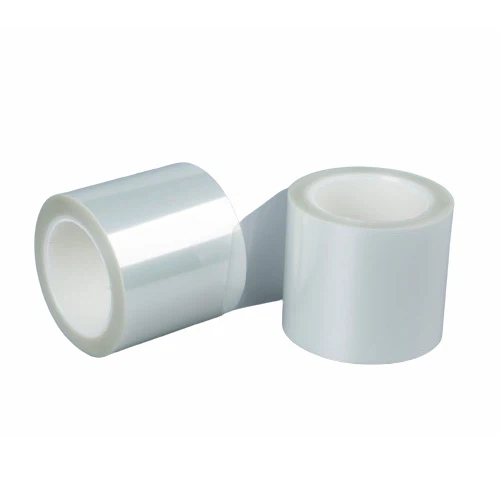
If the PU protective film is stored in rolls, it should be stored vertically on a stable surface to prevent it from sagging or warping. Make sure the rolls are not stacked on top of each other, as this can cause the film to become damaged or lose its adhesion. If possible, use a roll rack or storage cabinet specifically designed for storing protective film rolls.
Sheet Storage
If the PU protective film is stored in sheets, it should be stored flat on a clean, dry surface to prevent it from wrinkling or creasing. Make sure the sheets are not stacked on top of each other, as this can cause the film to become damaged or lose its adhesion. If possible, use a sheet storage rack or cabinet specifically designed for storing protective film sheets.
Packaging
The PU protective film should be stored in its original packaging or in a protective wrapper to prevent it from being exposed to dust, dirt, and other contaminants. Make sure the packaging is sealed tightly to prevent moisture from entering. If the original packaging is damaged, replace it with a new one or use a protective wrapper to cover the film.
Handling and Transportation
Proper handling and transportation are also important to ensure the quality and performance of the PU protective film. Here are some tips on how to handle and transport the film safely:
Handling
When handling the PU protective film, make sure your hands are clean and dry to prevent dirt and oils from transferring to the film. Avoid touching the adhesive side of the film, as this can cause it to lose its adhesion. If possible, use gloves or a clean cloth to handle the film.
Transportation
When transporting the PU protective film, make sure it is packed securely to prevent it from being damaged during transit. Use a suitable packaging material, such as a cardboard box or a plastic container, to protect the film from impact and vibration. Make sure the packaging is labeled clearly with the product name, quantity, and handling instructions.
Conclusion
Proper storage, handling, and transportation are essential to maintain the quality and performance of PU protective film. By following the tips and guidelines outlined in this blog post, you can ensure that your PU protective film remains in good condition and provides the protection you need for your products.
If you are interested in purchasing high-quality PU protective film or have any questions about storage and handling, please feel free to contact us. We are a leading supplier of Reticulate Protection Film, Pet Protective Film for Glass Products, and Polarizer Frotective Film, and we are committed to providing our customers with the best products and services.
References
- "Polyurethane Protective Film: Properties, Applications, and Storage Guidelines." Journal of Protective Coatings and Linings, Vol. XX, No. XX, XX-XX.
- "Best Practices for Storing and Handling Protective Films." Protective Film Manufacturers Association, XX.
- "Temperature and Humidity Control in Storage Facilities." Environmental Science and Technology, Vol. XX, No. XX, XX-XX.