

Storing PET plastic protective film properly is crucial for maintaining its quality and performance. As a reliable supplier of PET plastic protective film, I understand the significance of correct storage methods to ensure that our customers receive products in optimal condition. In this blog, I will share some scientific and practical tips on how to store PET plastic protective film effectively.
Understanding the Characteristics of PET Plastic Protective Film
Before delving into storage methods, it's essential to understand the properties of PET plastic protective film. PET, or polyethylene terephthalate, is a strong and lightweight plastic material known for its excellent mechanical properties, transparency, and chemical resistance. PET plastic protective film is commonly used in various industries, including electronics, automotive, and construction, to protect surfaces from scratches, dust, and other forms of damage.
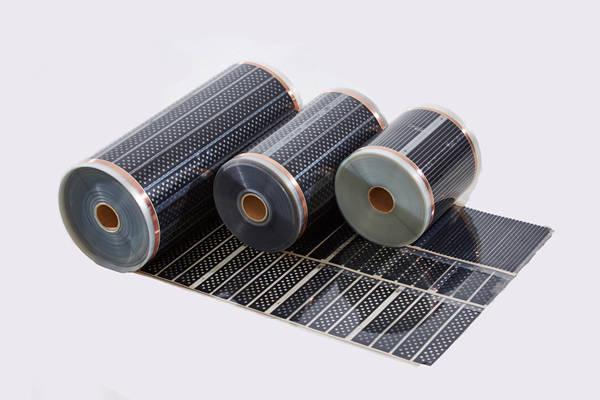

However, PET plastic protective film is also sensitive to environmental factors such as temperature, humidity, and light. Exposure to extreme conditions can cause the film to deteriorate, lose its adhesion, or develop yellowing over time. Therefore, proper storage is essential to preserve the film's quality and performance.
Ideal Storage Conditions
- Temperature: The ideal temperature range for storing PET plastic protective film is between 15°C and 30°C (59°F and 86°F). Avoid storing the film in areas with extreme temperature fluctuations, such as near heating or cooling vents, direct sunlight, or in unheated storage facilities. High temperatures can cause the film to expand, while low temperatures can make it brittle and prone to cracking.
- Humidity: The relative humidity in the storage area should be maintained between 40% and 60%. Excessive humidity can lead to moisture absorption, which can cause the film to stick together or develop mold and mildew. On the other hand, low humidity can cause the film to dry out and become less flexible.
- Light: PET plastic protective film should be stored in a dark or dimly lit area to prevent exposure to ultraviolet (UV) light. UV light can cause the film to yellow, degrade, and lose its transparency over time. If possible, store the film in opaque containers or wrap it in black plastic to block out light.
Storage Containers and Packaging
- Containers: Use clean, dry, and airtight containers to store PET plastic protective film. Plastic bins, cardboard boxes, or metal cans are all suitable options. Make sure the containers are large enough to accommodate the film rolls without bending or crushing them.
- Packaging: The film should be tightly wrapped in its original packaging or a protective plastic wrap to prevent dust, dirt, and moisture from getting in. If the original packaging is damaged, replace it with a new one. Additionally, label the containers with the film type, size, and date of storage to make it easier to identify and retrieve the film when needed.
Stacking and Handling
- Stacking: When stacking PET plastic protective film rolls, make sure they are stacked vertically and not horizontally. Stacking the rolls horizontally can cause them to deform or flatten, which can affect the film's quality. Additionally, avoid stacking the rolls too high to prevent them from toppling over and causing damage.
- Handling: When handling the film rolls, use proper lifting techniques to avoid dropping or damaging them. Avoid touching the film surface with bare hands, as the oils and dirt on your hands can transfer to the film and affect its adhesion. Instead, use gloves or a clean cloth to handle the film.
Special Considerations for Different Types of PET Plastic Protective Film
- PE Single Side Protection Film: PE single side protection film is a type of protective film that has a polyethylene layer on one side and an adhesive layer on the other. This type of film is commonly used to protect surfaces from scratches and abrasions. When storing PE single side protection film, make sure to keep it away from sharp objects and rough surfaces to prevent damage to the film.
- BOPP Protective Film: BOPP protective film is a type of protective film that is made from biaxially oriented polypropylene. This type of film is known for its high clarity, excellent tensile strength, and good chemical resistance. When storing BOPP protective film, make sure to keep it in a dry and cool environment to prevent the film from becoming brittle and cracking.
- Protective Film for Graphite Sheet: Protective film for graphite sheet is a type of protective film that is specifically designed to protect graphite sheets from scratches, dust, and other forms of damage. This type of film is commonly used in the electronics industry. When storing protective film for graphite sheet, make sure to keep it away from static electricity to prevent the film from attracting dust and dirt.
Regular Inspection and Maintenance
- Inspection: Regularly inspect the stored PET plastic protective film for any signs of damage, such as scratches, tears, or discoloration. If you notice any damage, remove the affected film from the storage area and replace it with a new one.
- Maintenance: Keep the storage area clean and free of dust, dirt, and debris. Regularly clean the storage containers and packaging to prevent the buildup of contaminants. Additionally, make sure to check the temperature and humidity levels in the storage area regularly to ensure that they are within the recommended range.
Conclusion
Proper storage of PET plastic protective film is essential for maintaining its quality and performance. By following the tips outlined in this blog, you can ensure that your PET plastic protective film remains in optimal condition until it is ready to be used. If you have any questions or need further information about storing PET plastic protective film, please feel free to contact us. We are always happy to help you with your protective film needs.
References
- "Plastic Film Technology Handbook" by John Murphy
- "Polymer Science and Technology" by Charles A. Daniels