

Hey there! As a supplier of pet plastic protective film, I've seen my fair share of folks struggling with cutting this stuff accurately. It's not as simple as it might seem at first glance, but with the right techniques and tools, you can achieve a precise cut every time. In this blog post, I'm going to share some tips and tricks that'll help you cut pet plastic protective film like a pro.
Why Accurate Cutting Matters
Before we dive into the how-to, let's talk about why accurate cutting is so important. When you're using pet plastic protective film, it's often to protect something valuable, like a screen or a delicate surface. If the film isn't cut accurately, it might not fit properly, leaving gaps where dirt, dust, or moisture can get in and damage the protected item. Plus, a poorly cut film just looks bad. It can detract from the overall appearance of the product and make it seem less professional.
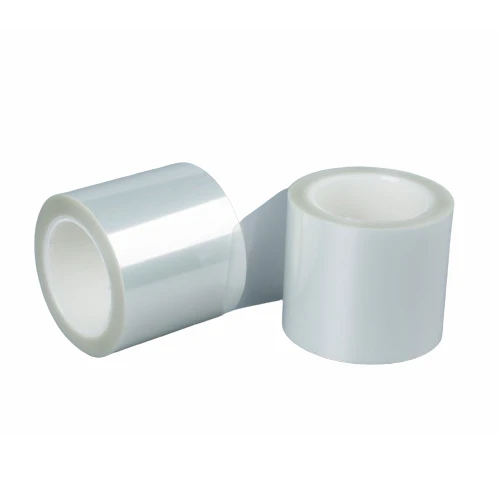

Tools You'll Need
To cut pet plastic protective film accurately, you'll need a few essential tools. Here's what I recommend:
- Sharp Scissors or a Utility Knife: A sharp blade is crucial for getting a clean, precise cut. Dull blades can tear the film, leaving jagged edges that are difficult to work with.
- Ruler or Straight Edge: This will help you make straight, even cuts. You can use a metal ruler, a wooden straight edge, or even a piece of cardboard as long as it's straight.
- Cutting Mat: A cutting mat provides a stable surface to cut on and protects your work surface from scratches. You can find cutting mats at most craft stores or online.
- Marker or Pencil: You'll need something to mark the film before you cut it. A fine-tip marker or a pencil works well.
Preparing the Film
Before you start cutting, it's important to prepare the film properly. Here's how:
- Clean the Surface: Make sure the surface where you'll be applying the film is clean and free of dust, dirt, and fingerprints. You can use a mild cleaning solution and a soft cloth to clean the surface.
- Measure and Mark: Use your ruler or straight edge to measure the area where you'll be applying the film. Mark the film with your marker or pencil, making sure to leave a little extra room around the edges for trimming.
- Peel the Backing: Carefully peel the backing off the film, starting from one corner. Be careful not to touch the adhesive side of the film with your fingers, as this can leave fingerprints and reduce the film's adhesion.
Cutting Techniques
Now that you've prepared the film, it's time to start cutting. Here are some techniques that'll help you get a precise cut:
- Use a Straight Edge: Place your ruler or straight edge along the marked line on the film. Hold it firmly in place to prevent it from slipping.
- Cut Slowly and Steadily: Use your scissors or utility knife to cut along the straight edge, applying gentle pressure. Cut slowly and steadily to ensure a clean, straight cut.
- Make Multiple Passes: If you're using a utility knife, you may need to make multiple passes to cut through the film completely. Start with a light cut and gradually increase the pressure with each pass.
- Trim the Edges: Once you've cut the film to the desired size, use your scissors or utility knife to trim the edges, making sure they're straight and even.
Tips for Cutting Different Shapes
Cutting pet plastic protective film into different shapes can be a bit more challenging, but with a little practice, you can do it. Here are some tips for cutting different shapes:
- Circles: To cut a circle, use a compass or a circular object as a guide. Place the compass or circular object on the film and trace around it with your marker or pencil. Then, use your scissors or utility knife to cut along the traced line.
- Ovals: To cut an oval, use an oval-shaped object as a guide. Place the oval-shaped object on the film and trace around it with your marker or pencil. Then, use your scissors or utility knife to cut along the traced line.
- Rectangles and Squares: To cut a rectangle or square, use your ruler or straight edge to measure and mark the film. Then, use your scissors or utility knife to cut along the marked lines.
Troubleshooting
Even with the best techniques, you may encounter some problems when cutting pet plastic protective film. Here are some common problems and how to solve them:
- Tearing: If the film tears while you're cutting it, it's probably because your blade is dull or you're cutting too quickly. Try using a sharper blade and cutting more slowly and steadily.
- Jagged Edges: If the edges of the film are jagged, it's probably because your blade is dull or you're not using a straight edge. Try using a sharper blade and a straight edge to guide your cut.
- Uneven Cuts: If the cuts are uneven, it's probably because you're not holding the ruler or straight edge firmly in place. Try holding it more firmly and making sure it's straight.
Conclusion
Cutting pet plastic protective film accurately is an important skill that can help you protect your valuable items and make them look their best. By following the tips and techniques outlined in this blog post, you can cut pet plastic protective film like a pro. Remember to use sharp tools, a straight edge, and a cutting mat, and take your time to make clean, precise cuts. If you have any questions or need more help, feel free to reach out to us. We're here to help you find the right pet plastic protective film for your needs and provide you with the support you need to use it effectively.
If you're interested in purchasing pet plastic protective film, we offer a wide range of products to choose from, including Two-Layer Acrylic Protective Film, Pet Film Screen Protector, and BOPP Protective Film. Our products are high-quality, durable, and easy to use, and we offer competitive prices and excellent customer service. Contact us today to learn more about our products and how we can help you meet your pet plastic protective film needs.
References
- "How to Cut Plastic Film." DIY Network, https://www.diynetwork.com/how-to/make-and-decorate/sewing/how-to-cut-plastic-film.
- "Cutting Plastic Film." Plastics International, https://www.plasticsinternational.com/cutting-plastic-film/.
- "Tips for Cutting Plastic Film." eHow, https://www.ehow.com/how_8306167_tips-cutting-plastic-film.html.