
In the world of industrial protection, UV curing protective films have emerged as a reliable solution for safeguarding various surfaces. As a supplier of UV curing protective films, I often encounter inquiries about how these films perform in high - pressure environments. In this blog, I will delve into the characteristics of UV curing protective films and analyze their performance under high - pressure conditions.
Understanding UV Curing Protective Films
UV curing protective films are made using a special technology where a liquid polymer is cured rapidly by ultraviolet light. This process results in a film with excellent adhesion, clarity, and durability. These films are commonly used in a wide range of industries, including electronics, automotive, and manufacturing, to protect surfaces from scratches, abrasions, and chemical damage.
The main components of UV curing protective films typically include oligomers, monomers, photoinitiators, and additives. Oligomers are the backbone of the film, providing its mechanical properties. Monomers act as reactive diluents, adjusting the viscosity of the liquid polymer. Photoinitiators are responsible for initiating the curing reaction when exposed to UV light, and additives can enhance specific properties such as flexibility, heat resistance, or anti - static performance.
High - Pressure Environments: A Challenge for Protective Films
High - pressure environments can pose several challenges to protective films. Pressure can cause the film to delaminate from the surface it is protecting, leading to a loss of protection. It can also cause the film to deform, which may affect its ability to cover the surface evenly and provide consistent protection. Additionally, high pressure can sometimes lead to changes in the chemical structure of the film, potentially reducing its durability and performance over time.
Performance of UV Curing Protective Films in High - Pressure Environments
Adhesion
One of the most critical factors in the performance of a protective film in a high - pressure environment is its adhesion to the surface. UV curing protective films generally have excellent initial adhesion due to the cross - linking reaction that occurs during the UV curing process. This cross - linked structure allows the film to bond tightly to the surface, preventing it from being easily peeled off by pressure.

However, in extremely high - pressure situations, the adhesion may be tested. The film's ability to maintain adhesion depends on several factors, such as the type of surface it is applied to, the thickness of the film, and the presence of any contaminants on the surface. For example, on a smooth and clean metal surface, a UV curing protective film is more likely to maintain its adhesion compared to a rough or contaminated surface.
Mechanical Properties
UV curing protective films are designed to have good mechanical properties, including high tensile strength and flexibility. In high - pressure environments, these properties are crucial for the film to withstand deformation without tearing or breaking. The cross - linked structure of the film gives it a certain degree of rigidity, which helps it resist the compressive forces exerted by high pressure.
At the same time, the film's flexibility allows it to conform to the shape of the surface and absorb some of the pressure without losing its integrity. This combination of rigidity and flexibility enables the UV curing protective film to provide continuous protection even under high - pressure conditions.
Chemical Resistance
High - pressure environments may also expose the protective film to various chemicals. UV curing protective films often have good chemical resistance due to their cross - linked structure. This means that they can resist the penetration of chemicals and prevent them from reaching the surface they are protecting.
However, the chemical resistance of the film can be affected by the type of chemicals present, the duration of exposure, and the pressure level. For example, some strong solvents may be able to penetrate the film under high pressure, especially if the exposure time is long. Therefore, it is important to choose a UV curing protective film with appropriate chemical resistance for the specific high - pressure environment.
Applications in High - Pressure Environments
UV curing protective films have found numerous applications in high - pressure environments. In the automotive industry, they are used to protect painted surfaces during high - pressure washing or in high - speed driving conditions. The film can prevent scratches and chips caused by dirt, debris, and high - pressure water jets.

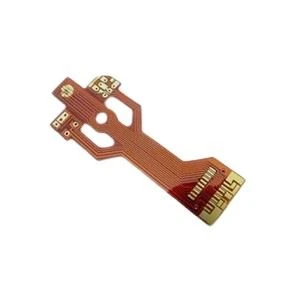
In the electronics industry, [FPC Protective Film]( /protective - film/fpc - protective - film.html) can be used to protect flexible printed circuits in high - pressure manufacturing processes. These films can withstand the pressure exerted during lamination, soldering, and other assembly operations, ensuring the integrity of the circuits.
Another application is in the manufacturing of pressure vessels. [PET Plastic Protective Film]( /protective - film/pet - plastic - protective - film.html) can be applied to the inner or outer surface of the vessel to protect it from corrosion and abrasion under high - pressure conditions.
Case Studies
Let's take a look at some real - world case studies to illustrate the performance of UV curing protective films in high - pressure environments.
Automotive Application
A car manufacturer was facing problems with paint damage during the high - pressure cleaning process. They decided to use our UV curing protective film on the painted surfaces of their cars. After several months of testing, it was found that the film effectively protected the paint from scratches and chips caused by the high - pressure water jets. The adhesion of the film remained intact, and there was no visible deformation or delamination.
Electronics Application
An electronics company was using a high - pressure lamination process to assemble flexible printed circuits. They were experiencing issues with circuit damage due to the pressure exerted during lamination. By applying our [FPC Protective Film]( /protective - film/fpc - protective - film.html), the circuits were protected from damage. The film withstood the high pressure and maintained its integrity, ensuring the quality of the final product.
Choosing the Right UV Curing Protective Film for High - Pressure Environments
When selecting a UV curing protective film for high - pressure environments, several factors need to be considered.
Pressure Rating
The film should have a pressure rating that is suitable for the specific high - pressure environment. This information can usually be obtained from the film supplier. Make sure to choose a film with a pressure rating that is higher than the maximum pressure the film will be exposed to.
Surface Compatibility
The film should be compatible with the surface it is being applied to. Different surfaces have different surface energies, and the film needs to be able to bond effectively to the surface. For example, a film designed for a smooth plastic surface may not adhere well to a rough metal surface.
Chemical Resistance
As mentioned earlier, the film should have appropriate chemical resistance for the chemicals present in the high - pressure environment. If the environment contains strong solvents or corrosive chemicals, choose a film that is specifically formulated to resist these substances.
Contact Us for Your UV Curing Protective Film Needs
If you are in need of UV curing protective films for high - pressure environments or any other applications, we are here to help. Our team of experts can assist you in choosing the right film for your specific requirements. We offer a wide range of [Protective Film For Discharging]( /protective - film/protective - film - for - discharging.html), [PET Plastic Protective Film]( /protective - film/pet - plastic - protective - film.html), and [FPC Protective Film]( /protective - film/fpc - protective - film.html) with different properties and specifications.
Whether you are in the automotive, electronics, or manufacturing industry, we have the solution for you. Contact us today to start a procurement discussion and find out how our UV curing protective films can enhance the protection of your products.
References
- ASTM International. (2023). Standards for testing the mechanical properties of protective films.
- ISO. (2023). International standards for chemical resistance testing of polymers.
- Smith, J. (2022). "Advances in UV Curing Technology for Protective Films." Journal of Industrial Coatings.