

Hey there! As a supplier of PU protective film, I often get asked about how our product performs in cold weather. Well, let's dive right into it and explore the ins and outs of PU protective film's performance when the mercury drops.
First off, let's understand what PU protective film is. Polyurethane (PU) is a versatile polymer that's used in a wide range of applications, from coatings to adhesives. Our PU protective film is designed to provide a durable and reliable barrier against scratches, abrasions, and other types of damage. It's commonly used in industries like electronics, automotive, and manufacturing to protect surfaces during handling, transportation, and storage.
Now, when it comes to cold weather, there are a few key factors that can affect the performance of any protective film, and PU is no exception. One of the main concerns is the film's flexibility. In cold temperatures, materials tend to become more rigid, which can make the film less pliable and more prone to cracking or peeling. However, our PU protective film is formulated with special additives that help maintain its flexibility even in low temperatures. This means it can still conform to the shape of the surface it's protecting, providing a snug and secure fit.
Another important aspect is the adhesive. The adhesive on a protective film is what keeps it stuck to the surface, and in cold weather, it can lose its stickiness. But our PU protective film uses a high-quality adhesive that's designed to perform well in a wide range of temperatures. It has excellent initial tack, which means it will stick firmly to the surface right away, and it maintains its adhesion even in cold conditions. This ensures that the film stays in place and continues to provide protection.
Let's talk about durability. Cold weather can be tough on materials, and protective films are no different. But our PU protective film is built to last. It has a high resistance to impact and abrasion, so it can withstand the rigors of handling and transportation in cold environments. Whether it's being bumped around in a warehouse or exposed to the elements during shipping, our film will keep the surface it's protecting safe and sound.

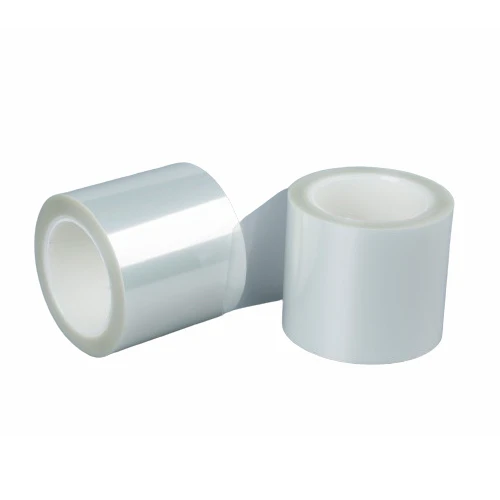
In addition to its performance in cold weather, our PU protective film also offers other benefits. It's easy to apply and remove, leaving no residue behind. This makes it a convenient choice for temporary protection. And it's available in a variety of thicknesses and sizes to suit different applications. Whether you need to protect a small electronic component or a large automotive part, we've got you covered.
Now, let's take a look at some of the other types of protective films we offer. If you're looking for a more basic option, our Single-Layer Acrylic Protective Film is a great choice. It's affordable and provides good protection against scratches and dust. For applications where you need more advanced protection, like protecting graphite sheets, our Protective Film for Graphite Sheet is specifically designed to meet the unique requirements of this material. And if you need a film with even better adhesion and durability, our Two-Layer Silicone Protective Film is the way to go.
So, if you're in the market for a protective film that performs well in cold weather, look no further than our PU protective film. It's a reliable and cost-effective solution that will keep your surfaces safe and protected. Whether you're in the electronics, automotive, or manufacturing industry, we can provide you with the right film for your needs.
If you're interested in learning more about our products or have any questions, don't hesitate to get in touch. We're always happy to help and can provide you with samples and technical data. Let's start a conversation and see how we can work together to meet your protective film needs.
References:
- ASTM International. (Year). Standard test methods for evaluating the properties of protective films.
- ISO Standards. (Year). International standards for protective film performance.
- Industry research reports on protective film materials and their performance in different environments.