

Hey there! As a supplier of FPC protective film, I often get asked about how our product protects flexible printed circuits (FPCs) from mechanical stress. Well, let's dive right into it.
First off, what's mechanical stress? In simple terms, it's the force that's applied to an FPC during its normal use or handling. This can come from bending, folding, twisting, or even just vibrations. If an FPC isn't protected, this stress can cause damage like cracks, breaks, or delamination, which can mess up the whole circuit and make the device it's in stop working properly.
So, how does our FPC protective film step in to save the day?
1. Cushioning Effect
One of the main ways our protective film protects FPCs is by acting as a cushion. When mechanical stress is applied to an FPC, the film absorbs some of the impact. It's like having a shock - absorber on a car. The film is made of materials that can deform slightly under pressure. This deformation spreads the force over a larger area of the FPC, rather than letting it concentrate in one spot.
For example, when an FPC is bent, the outer layer of the FPC is stretched while the inner layer is compressed. Our protective film helps to distribute these stretching and compressing forces more evenly across the entire FPC. This reduces the risk of the copper traces on the FPC from breaking due to excessive stretching or compression.
2. Reinforcement
Our FPC protective film also provides reinforcement to the FPC. It adds an extra layer of strength to the otherwise delicate circuit. The film is usually made of materials like PET (polyethylene terephthalate), which has good mechanical properties.
PET is strong and flexible at the same time. When it's applied to an FPC, it enhances the overall structural integrity of the FPC. It can withstand a certain amount of mechanical stress without tearing or losing its shape. This means that the FPC can be bent or flexed more times before it starts to show signs of damage.
You can check out our Pet Film Screen Protector and PET Plastic Protective Film for more details on the materials we use.
3. Protection Against Abrasion
Mechanical stress can also come in the form of abrasion. When an FPC rubs against other components in a device, it can wear down over time. Our protective film acts as a barrier between the FPC and other surfaces.
The smooth surface of the film reduces friction, so there's less wear and tear on the FPC. This is especially important in devices where the FPC is in constant contact with other parts, like in a smartphone where the FPC might rub against the battery or the frame of the phone.
4. Resistance to Environmental Factors
In addition to direct mechanical stress, environmental factors can also contribute to the stress on an FPC. For example, humidity can cause the FPC to expand and contract, which can lead to mechanical stress. Our protective film has good moisture - resistance properties.
It forms a protective layer that prevents moisture from seeping into the FPC. This helps to maintain the stability of the FPC and reduces the stress caused by environmental changes. It also protects the FPC from dust and other contaminants that could cause abrasion or short - circuits.
5. Chemical Resistance
Some chemicals can also cause damage to an FPC and increase the mechanical stress on it. Our protective film is chemically resistant. It can protect the FPC from exposure to common chemicals like solvents, oils, and cleaning agents.
If an FPC comes into contact with these chemicals, the film acts as a shield. It prevents the chemicals from corroding the copper traces or weakening the insulating layers of the FPC. This ensures that the FPC remains in good working condition and can withstand mechanical stress without being compromised by chemical damage.
Real - World Applications
Let's take a look at some real - world applications to see how our FPC protective film works in practice.

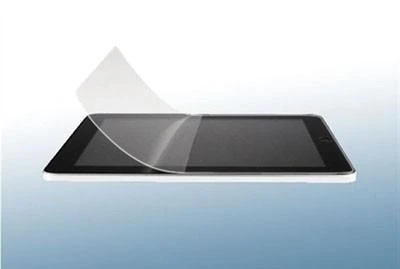
In the consumer electronics industry, smartphones and tablets have a lot of FPCs. These FPCs are often bent and flexed during the assembly process and then used in a variety of environments. Our protective film ensures that the FPCs can handle the mechanical stress of being bent multiple times during assembly and then withstand the normal wear and tear of daily use.
In the automotive industry, FPCs are used in various parts of a car, such as the dashboard, seat controls, and engine management systems. These FPCs are exposed to vibrations, temperature changes, and mechanical shocks. Our protective film helps to protect the FPCs from these stresses, ensuring reliable performance of the car's electronic systems.
Quality and Customization
We understand that different applications have different requirements for FPC protective film. That's why we offer high - quality products that can be customized.
We can adjust the thickness, hardness, and other properties of the film according to your specific needs. Whether you need a thin film for a compact device or a more durable film for a harsh environment, we've got you covered. You can find more about our customization options on our Pet Film Screen Protector Factory.
Conclusion
So, there you have it. Our FPC protective film plays a crucial role in protecting FPCs from mechanical stress. It cushions the impact, reinforces the structure, protects against abrasion, resists environmental and chemical factors, and can be customized to fit different applications.
If you're in the market for high - quality FPC protective film, don't hesitate to reach out to us. We're here to help you find the best solution for your needs. Let's start a conversation about how our product can benefit your business.
References
- "Flexible Printed Circuits: Design, Manufacture, and Assembly" by John Coombs
- "Plastics in Electronics: Materials, Properties, and Applications" by Michael C. Iannuzzi