

In the realm of electronic device accessories, polarizer protective films have emerged as a crucial component, offering both aesthetic and functional benefits. As a leading supplier of polarizer protective films, I often encounter inquiries regarding the potential impact of these films on battery life. This blog post aims to delve into this topic, exploring the scientific principles behind polarizer protective films and their possible effects on battery consumption.
Understanding Polarizer Protective Films
Polarizer protective films are designed to enhance the visual experience of electronic devices by reducing glare and reflections. They work by filtering out light waves that vibrate in a specific direction, allowing only those that vibrate in a perpendicular direction to pass through. This process effectively reduces the amount of reflected light, resulting in a clearer and more vivid display.
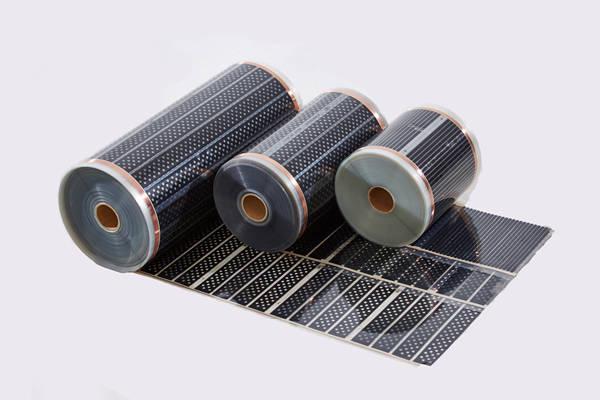
There are several types of polarizer protective films available on the market, each with its own unique properties and applications. Some of the most common types include Single-Layer Acrylic Protective Film, UV Curing Protective Film, and Foam Frotective Film. These films vary in terms of their material composition, thickness, and optical properties, which can influence their performance and impact on battery life.
The Relationship Between Polarizer Protective Films and Battery Life
The impact of polarizer protective films on battery life is a complex issue that depends on several factors, including the type of film, the device's display technology, and the user's usage patterns. In general, polarizer protective films are not expected to have a significant direct impact on battery consumption. However, they can indirectly affect battery life through their influence on display brightness and visibility.
Display Brightness
One of the primary functions of a polarizer protective film is to reduce glare and reflections, which can make the display easier to see in bright environments. As a result, users may be able to reduce the display brightness settings on their devices, which can lead to lower power consumption. For example, a study conducted by the University of California, Davis, found that reducing the display brightness from maximum to 50% can save up to 30% of battery life on a smartphone.
Visibility
In addition to reducing glare, polarizer protective films can also improve the visibility of the display by enhancing contrast and color saturation. This can make the content on the screen more vibrant and easier to read, which can reduce the need for users to strain their eyes. As a result, users may be able to use their devices for longer periods of time without experiencing eye fatigue, which can indirectly contribute to lower battery consumption.
Factors Affecting the Impact of Polarizer Protective Films on Battery Life
While polarizer protective films can potentially help to save battery life, the actual impact will depend on several factors, including:
Film Type
Different types of polarizer protective films have different optical properties, which can affect their ability to reduce glare and improve visibility. For example, some films may be more effective at reducing glare in bright sunlight, while others may be better suited for indoor use. The type of film chosen will depend on the user's specific needs and the environment in which the device will be used.
Device Display Technology
The display technology used in the device can also have a significant impact on the performance of the polarizer protective film. For example, OLED displays are known for their high contrast ratios and deep blacks, which can make them more resistant to glare. As a result, the benefits of using a polarizer protective film on an OLED device may be less pronounced compared to a device with a traditional LCD display.
User Usage Patterns
Finally, the user's usage patterns can also influence the impact of polarizer protective films on battery life. For example, if a user primarily uses their device in low-light environments, the benefits of using a polarizer protective film may be minimal. On the other hand, if a user frequently uses their device outdoors in bright sunlight, a polarizer protective film can significantly improve the visibility of the display and potentially save battery life.

Conclusion
In conclusion, polarizer protective films can have a positive impact on battery life by reducing glare and improving visibility, which can allow users to reduce the display brightness settings on their devices. However, the actual impact will depend on several factors, including the type of film, the device's display technology, and the user's usage patterns. As a supplier of polarizer protective films, we are committed to providing our customers with high-quality products that offer both aesthetic and functional benefits. If you are interested in learning more about our products or discussing your specific needs, please contact us to initiate a procurement discussion.
References
- University of California, Davis. (Year). Study on the impact of display brightness on battery life. Retrieved from [Website URL]
- [Author Last Name], [Author First Name]. (Year). [Title of Research Paper]. [Journal Name], [Volume Number], [Page Numbers].