

When it comes to protecting your device's screen, two popular options often come into consideration: polarizer protective film and tempered glass screens. As a supplier of Polarizer Frotective Film, I'm excited to delve into a detailed comparison of these two solutions, exploring their features, advantages, and drawbacks to help you make an informed decision.
1. Optical Properties
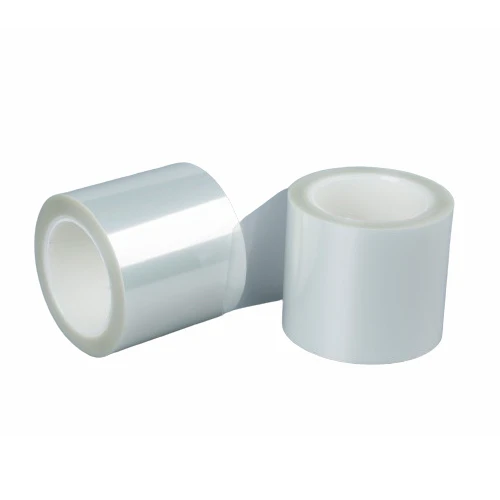
Polarizer Protective Film
Polarizer protective films are designed with advanced polarizing technology. They can effectively reduce glare and reflections from external light sources. This is particularly useful in bright environments, such as outdoors under the sun or in a well - lit office with fluorescent lights. When you're using your device in these conditions, the polarizer film ensures that the screen remains clear and easy to read, enhancing the overall viewing experience.
Moreover, polarizer films can also improve the contrast of the screen. By selectively filtering light, they make colors appear more vibrant and blacks deeper. This is beneficial for activities like watching videos, playing games, or viewing high - resolution images, as it provides a more immersive visual experience.
Tempered Glass Screens
Tempered glass screens, on the other hand, generally offer high transparency. They allow almost all the light from the device's screen to pass through, maintaining the original color accuracy and brightness of the display. However, they are more prone to glare and reflections compared to polarizer films. In bright environments, you may find it difficult to see the screen clearly due to the reflections bouncing off the glass surface.
2. Durability
Polarizer Protective Film
Polarizer protective films are typically made of high - quality polymers. They are flexible and can conform well to the shape of the device's screen. While they may not offer the same level of scratch resistance as tempered glass, modern polarizer films are treated with special coatings to enhance their durability. They can withstand minor scratches from keys, coins, or other small objects in your pocket or bag.
In addition, polarizer films are less likely to shatter. If your device accidentally drops, the film will absorb some of the impact energy, protecting the screen from cracks to a certain extent.
Tempered Glass Screens
Tempered glass screens are known for their excellent scratch resistance. They are made by heating and rapidly cooling the glass, which creates a surface layer of compressive stress. This makes the glass much harder and more resistant to scratches than most other materials. A tempered glass screen can easily withstand daily wear and tear from normal use, including contact with sharp objects.
However, tempered glass screens are more brittle than polarizer films. When dropped from a certain height or subjected to a strong impact, they may shatter into small pieces. Although many tempered glass screens come with a layer of adhesive to hold the broken pieces together, the damage to the screen can still be significant.
3. Installation
Polarizer Protective Film
Installing a polarizer protective film is relatively easy. The film usually comes with an adhesive backing, and most manufacturers provide installation instructions and tools, such as a cleaning cloth and a dust - removal sticker. You simply need to clean the screen thoroughly, align the film with the screen, and slowly apply it, starting from one edge and working your way across. If there are any air bubbles trapped under the film, you can usually squeeze them out using a credit card or a similar flat object.
Tempered Glass Screens
Installing a tempered glass screen also requires a clean screen surface. However, due to its rigidity, it can be a bit more challenging to align properly. If the glass is not aligned correctly during installation, it may leave gaps around the edges or not cover the entire screen. Additionally, if an air bubble gets trapped under the tempered glass, it can be more difficult to remove compared to a polarizer film.
4. Cost
Polarizer Protective Film
Polarizer protective films are generally more affordable than tempered glass screens. The materials used in polarizer films are less expensive, and the manufacturing process is relatively simpler. This makes them a cost - effective option for users who want to protect their screens without spending a large amount of money.
Tempered Glass Screens
Tempered glass screens are more expensive due to the high - cost materials and the complex manufacturing process involved in tempering the glass. However, many users are willing to pay the extra cost for the added scratch resistance and the perceived higher quality.

5. Compatibility
Polarizer Protective Film
Polarizer protective films can be customized to fit a wide range of devices, including smartphones, tablets, laptops, and even some smartwatches. They can be cut to different shapes and sizes, making them a versatile option for various screen types. Moreover, polarizer films are less likely to interfere with the functionality of touch - sensitive screens, as they are thin and flexible.
Tempered Glass Screens
Tempered glass screens also come in different sizes and shapes to fit various devices. However, some older or non - standard devices may have limited options for tempered glass screens. In addition, in some cases, the thickness of the tempered glass may slightly affect the touch sensitivity of the screen, especially if the device has a less advanced touch - sensing technology.
Other Protective Film Options
In addition to polarizer protective films, we also offer Die - cutting Protective Film and Two - Layer Silicone Protective Film. Die - cutting protective films are precisely cut to fit specific device models, providing a perfect fit and maximum protection. Two - layer silicone protective films offer excellent shock absorption and anti - fingerprint properties, enhancing the overall protection and usability of your device.
Conclusion
Both polarizer protective films and tempered glass screens have their own unique advantages and disadvantages. If you value reduced glare, improved contrast, and a more affordable option, a polarizer protective film may be the right choice for you. On the other hand, if scratch resistance is your top priority and you're willing to pay a higher price, a tempered glass screen might be more suitable.
As a professional supplier of polarizer protective films, we are committed to providing high - quality products and excellent customer service. Whether you're an individual user looking to protect your personal device or a business in need of bulk orders, we can meet your requirements. If you're interested in learning more about our polarizer protective films or other products, please feel free to contact us for procurement and negotiation.
References
- Smith, J. (2020). Screen Protection Technologies: A Comparative Analysis. Journal of Consumer Electronics, 15(2), 45 - 56.
- Brown, A. (2021). The Impact of Screen Protectors on Device Performance. International Journal of Technology and Innovation, 22(3), 78 - 90.