

Can UV Curing Protective Film Be Used on Concrete Surfaces?
Hey there! I'm a supplier of UV curing protective film, and I often get asked this question: Can UV curing protective film be used on concrete surfaces? Well, let's dive into this topic and find out.
First off, let's understand what UV curing protective film is. It's a type of film that cures or hardens when exposed to ultraviolet light. This curing process gives the film some really cool properties like high hardness, good chemical resistance, and excellent adhesion.
Now, let's talk about concrete surfaces. Concrete is a widely used construction material, but it has its own set of issues. It can be porous, which means it can absorb water, chemicals, and dirt. Over time, this can lead to staining, cracking, and other forms of damage. So, protecting concrete surfaces is crucial to extend their lifespan and keep them looking good.
So, can our UV curing protective film be a good solution for concrete? The answer is, it depends.
Advantages of Using UV Curing Protective Film on Concrete
Protection Against Physical Damage
UV curing protective film can act as a barrier against scratches, abrasions, and impacts. For example, in industrial areas where heavy machinery might move around on concrete floors, the film can prevent the concrete from getting scratched up. This helps to maintain the smoothness and integrity of the concrete surface.
Chemical Resistance
Concrete can be vulnerable to various chemicals, such as acids and solvents. The UV curing protective film has good chemical resistance, which means it can protect the concrete from chemical attacks. This is especially useful in places like laboratories, factories, or car repair shops where chemicals are commonly used.
Aesthetic Enhancement
The film can give the concrete surface a shiny and smooth finish, enhancing its appearance. It can also be used to cover up minor imperfections on the concrete, making it look more uniform and attractive.
Easy to Install and Maintain
Compared to some other concrete protection methods, installing UV curing protective film is relatively easy. It can be applied quickly, and once it's cured, it doesn't require a lot of maintenance. You just need to clean it regularly like you would with any other surface.
Disadvantages and Challenges
Surface Preparation
Concrete surfaces need to be properly prepared before applying the UV curing protective film. The surface must be clean, dry, and free of any dust, oil, or other contaminants. If the surface preparation is not done correctly, the film may not adhere properly, leading to peeling or bubbling.
Porosity of Concrete
As mentioned earlier, concrete is porous. If the pores are not properly sealed before applying the film, moisture can get trapped between the film and the concrete. This can cause the film to delaminate over time. So, additional steps might be needed to seal the concrete pores.
UV Penetration
For the film to cure properly, it needs to be exposed to sufficient UV light. In some cases, if the concrete surface is in a shaded area or if there are obstacles blocking the UV light, the film may not cure evenly. This can affect its performance and durability.
Types of UV Curing Protective Films Suitable for Concrete
There are different types of UV curing protective films available, and some are more suitable for concrete surfaces than others.
Foam Protective Film
Foam protective film, like the one you can find here, can provide an extra layer of cushioning. It can be useful in areas where there is a risk of impact damage. The foam layer can absorb the shock and prevent the concrete from cracking.
FPC Protective Film
FPC protective film, which you can check out here, is known for its flexibility and good adhesion. It can conform to the shape of the concrete surface, providing a tight seal. This type of film is also resistant to moisture and chemicals, making it a good choice for concrete protection.
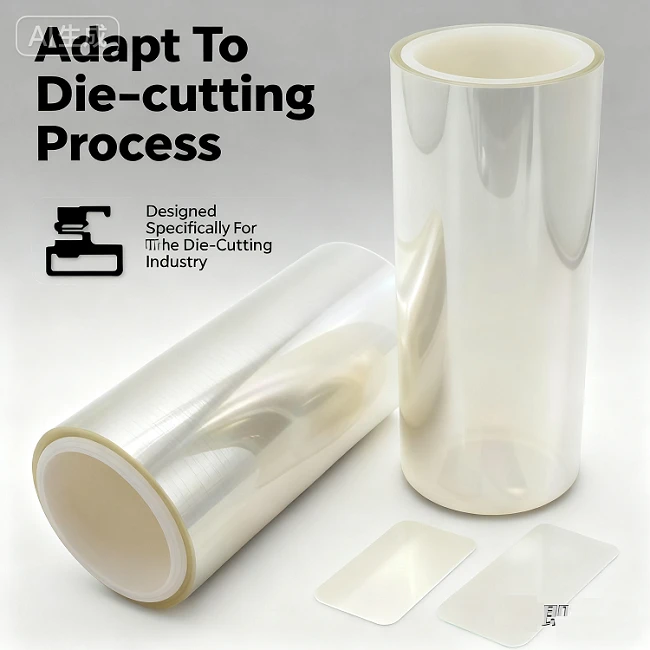
Die - cutting Protective Film
Die - cutting protective film, available here, can be customized to fit specific shapes and sizes. This is useful if you have a concrete surface with irregular shapes or if you need to cover specific areas.
Case Studies
Let's look at a few real - world examples to see how UV curing protective film has been used on concrete surfaces.
In a large warehouse, the concrete floors were constantly being damaged by forklifts and heavy pallets. The management decided to apply a UV curing protective film. After installation, they noticed a significant reduction in scratches and abrasions on the concrete floors. The film also made the floors easier to clean, and the overall appearance of the warehouse improved.
In a chemical processing plant, the concrete floors were exposed to various corrosive chemicals. By applying a UV curing protective film with high chemical resistance, the plant was able to protect the concrete from chemical damage. This not only extended the lifespan of the concrete floors but also reduced the maintenance costs.
Conclusion
So, can UV curing protective film be used on concrete surfaces? The answer is yes, but with some considerations. While it offers many advantages in terms of protection, aesthetics, and ease of installation, proper surface preparation and addressing the challenges like porosity and UV penetration are essential.
If you're interested in using UV curing protective film for your concrete surfaces, I'd love to have a chat with you. Whether you're a contractor working on a new construction project or a facility manager looking to protect existing concrete, we can find the right solution for you. Contact me to discuss your specific needs and get a quote. Let's work together to protect your concrete surfaces and make them last longer!
References

- "Concrete Surface Protection: A Comprehensive Guide" - Construction Materials Journal
- "UV Curing Technology and Its Applications in Protective Films" - Polymer Science Review