

In the digital age, LCD screens are ubiquitous, gracing our smartphones, tablets, laptops, monitors, and even large - scale digital billboards. The need to protect these valuable displays from scratches, smudges, and other forms of damage is a concern for many users. As a supplier of PET plastic protective film, I often encounter the question: Can pet plastic protective film be used on LCD screens? In this blog post, I will delve into this topic from multiple perspectives.
Understanding PET Plastic Protective Film
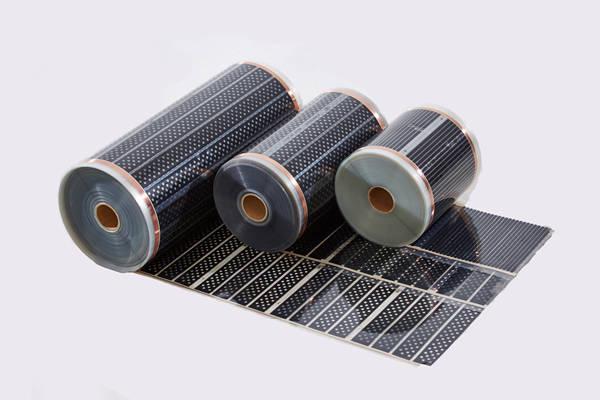
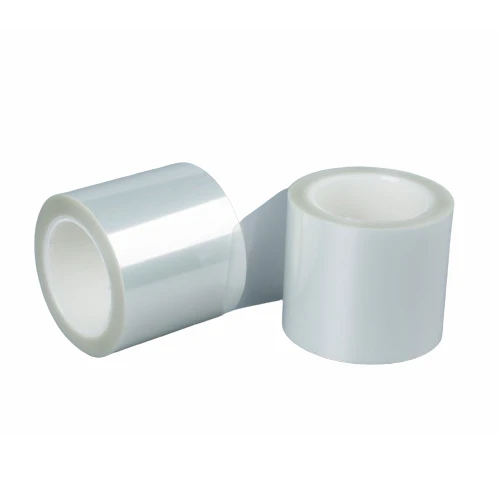
PET, or polyethylene terephthalate, is a type of polyester plastic that is widely used in various industries. PET plastic protective film is made from this material and has several notable properties. It is known for its high transparency, which allows users to enjoy clear and unobstructed views of the content on the LCD screen. Additionally, PET film offers good mechanical strength, meaning it can resist scratches and minor impacts. It also has excellent chemical resistance, protecting the screen from damage caused by common chemicals such as cleaning agents.
Compatibility with LCD Screens
One of the key factors in determining whether PET plastic protective film can be used on LCD screens is compatibility. In general, PET film is highly compatible with LCD screens. The smooth surface of the PET film adheres well to the flat surface of LCD screens, creating a seamless protective layer. The electrostatic properties of PET film also enable it to stick to the screen without the need for additional adhesives in many cases, which is beneficial as it reduces the risk of leaving residue on the screen when the film is removed.
However, it's important to note that not all PET films are created equal. Some lower - quality PET films may have issues with color distortion. Since LCD screens rely on precise color reproduction, any color - altering effects from the protective film can be a significant drawback. As a supplier, we ensure that our PET plastic protective films undergo strict quality control to minimize such problems. Our films are designed to maintain the true color accuracy of the LCD screen, providing users with a viewing experience that is as close as possible to what the screen was originally intended to offer.
Advantages of Using PET Plastic Protective Film on LCD Screens
Scratch Resistance
LCD screens are prone to scratches, which can not only affect the visual appearance but also the functionality of the screen over time. A high - quality PET plastic protective film acts as a sacrificial layer, taking the brunt of any scratches or abrasions. For example, in a busy office environment where pens or other sharp objects may accidentally come into contact with the laptop screen, a PET film can prevent the screen from getting scratched.
Anti - Glare and Anti - Reflection
Some PET protective films are designed with anti - glare and anti - reflection properties. In bright environments, such as outdoors or in rooms with strong lighting, glare and reflections on the LCD screen can make it difficult to view the content. Our anti - glare PET films diffuse the incoming light, reducing glare and making the screen easier to read. Anti - reflection films, on the other hand, minimize the amount of light that is reflected off the screen, enhancing the contrast and making colors more vivid.
Fingerprint and Smudge Resistance
With the increasing use of touch - screen LCD devices, fingerprints and smudges have become a common problem. PET plastic protective films can be treated with special coatings to make them fingerprint - and smudge - resistant. These coatings make it easier to clean the screen, as fingerprints and smudges can be wiped away more easily compared to an unprotected screen.
Comparison with Other Protective Films
There are other types of protective films available in the market, such as [BOPP Protective Film](/protective - film/bopp - protective - film.html), [Two - Layer Acrylic Protective Film](/protective - film/two - layer - acrylic - protective - film.html), and [Foam Frotective Film](/protective - film/foam - frotective - film.html). Each type has its own characteristics.
BOPP (Biaxially Oriented Polypropylene) protective film is known for its good flexibility and low cost. However, compared to PET film, it generally has lower transparency and scratch resistance. This makes it less suitable for high - end LCD screens where clarity and durability are crucial.
Two - layer acrylic protective film offers excellent optical clarity and high scratch resistance. But it is often more expensive than PET film. For users on a budget or those who need a large number of protective films, PET film can be a more cost - effective option without sacrificing too much in terms of performance.
Foam protective film is mainly used for protecting surfaces during transportation or storage. It provides cushioning to prevent physical damage. However, it is not designed for daily use on LCD screens as it is thick and may obstruct the view or interfere with the touch - screen functionality.
Application Considerations
When applying PET plastic protective film to an LCD screen, there are a few things to keep in mind. First, the screen should be thoroughly cleaned before applying the film. Any dust particles or fingerprints on the screen can get trapped between the film and the screen, creating visible spots. We recommend using a microfiber cloth and a gentle screen - cleaning solution to clean the screen.
Second, proper application techniques are essential. Start by aligning one edge of the film with the corresponding edge of the screen, and then slowly lower the film onto the screen while using a squeegee or a similar tool to smooth out any air bubbles. Taking your time during the application process can ensure a perfect installation.
Maintenance of PET Protective Film on LCD Screens
Maintaining the PET protective film is relatively straightforward. Regular cleaning with a microfiber cloth is usually sufficient to keep the film clean. For stubborn stains or fingerprints, a small amount of mild soap and water can be used, followed by a rinse with clean water and a dry with a soft cloth. Avoid using harsh chemicals or abrasive materials, as they can damage the film.
Conclusion
In conclusion, PET plastic protective film is an excellent choice for protecting LCD screens. Its compatibility, scratch resistance, anti - glare and anti - reflection properties, as well as fingerprint and smudge resistance, make it a practical and cost - effective solution. Compared to other types of protective films, it offers a good balance between performance and price.
If you are interested in purchasing high - quality PET plastic protective film for your LCD screens, we are here to assist you. Whether you are an individual user looking to protect your personal device or a business in need of bulk orders, we can provide you with the best products and services. Contact us for more information and let's start a productive conversation about your protective film needs.
References
- "Plastics in Packaging: Properties, Processing, Applications, and Regulations" by Rosato, Dominick V.
- "Handbook of Display Technology" edited by John A. Robertson.
- Industry reports on the protective film market.