

Can a Polarizer Protective Film Be Used on Military Equipment Screens?
In the world of military technology, the performance and durability of equipment are of utmost importance. Military equipment screens, in particular, need to withstand harsh environments, high - intensity usage, and potential threats. As a supplier of polarizer protective films, I often get asked whether our products can be used on military equipment screens. In this blog, I will explore this question from multiple aspects.
The Function of Polarizer Protective Films
Polarizer protective films are designed with several key functions. Firstly, they can reduce glare. When light reflects off a screen, it can create glare that makes it difficult to view the content on the screen. A polarizer film works by filtering out light waves that are vibrating in certain directions, thereby reducing the amount of reflected light and minimizing glare. This is especially useful in bright outdoor conditions where direct sunlight can make a screen almost unreadable.
Secondly, polarizer protective films can enhance contrast. By controlling the light passing through the screen, these films can make the colors on the screen appear more vivid and the images sharper. This is crucial for tasks that require accurate visual perception, such as reading maps, analyzing sensor data, or identifying targets.
In addition to these optical functions, polarizer protective films also offer physical protection. They can prevent scratches, abrasions, and damage from dust and debris. Some high - quality polarizer films, like our Two - Layer Silicone Protective Film, have excellent shock - absorbing properties, which can safeguard the screen from impacts.
Requirements of Military Equipment Screens
Military equipment screens face a unique set of challenges. They need to operate in extreme temperatures, from the freezing cold of arctic regions to the scorching heat of deserts. They must also be resistant to moisture, dust, sand, and saltwater, as military operations can take place in diverse environments.
Furthermore, military screens often need to be compatible with night - vision devices. This means that they should not emit or reflect light in the near - infrared spectrum, which could interfere with the operation of night - vision goggles.
Security is another critical aspect. Military information is highly sensitive, and screens need to prevent unauthorized viewing. Anti - glare and anti - peeping features are essential to ensure that only the intended user can see the screen content.
Compatibility of Polarizer Protective Films with Military Screens
From an optical perspective, polarizer protective films can meet many of the requirements of military equipment screens. The glare - reducing and contrast - enhancing properties can improve the readability of screens in various lighting conditions, whether it's bright sunlight or low - light environments.
In terms of environmental resistance, some polarizer protective films are designed to withstand extreme temperatures and harsh conditions. Our Protective Film For Discharging has a high level of durability and can resist moisture, dust, and chemicals. This makes it suitable for use on military screens that are exposed to the elements.
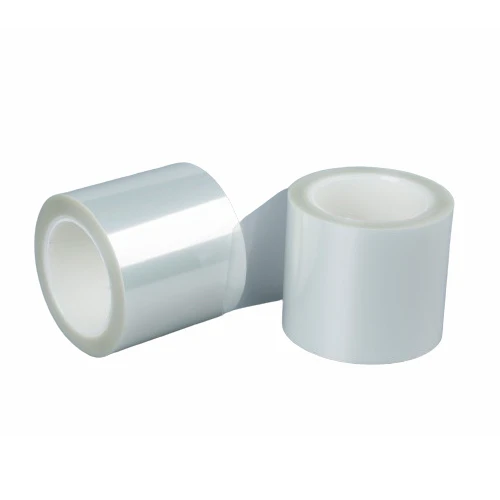

However, there are some challenges to overcome. For example, the infrared properties of polarizer films need to be carefully considered. If a film emits or reflects infrared light, it can compromise the operation of night - vision equipment. Manufacturers need to develop polarizer films with low infrared emissivity to ensure compatibility with military night - vision systems.
Regarding security, polarizer films can be customized to have anti - peeping features. By adjusting the viewing angle, these films can prevent people from the side from seeing the screen content, protecting sensitive military information.
Die - cutting for Customization
Military equipment comes in various shapes and sizes, and screens are no exception. To ensure a perfect fit for military screens, die - cutting technology is often used. Die - cutting allows us to cut polarizer protective films into specific shapes and sizes according to the requirements of different military equipment. Our Die - cutting Protective Film offers precise customization, ensuring that the film adheres well to the screen and provides comprehensive protection.
Conclusion
In conclusion, polarizer protective films have great potential for use on military equipment screens. They can improve the optical performance of screens, provide physical protection, and meet some of the unique requirements of military applications. However, further research and development are needed to fully address the challenges, such as infrared compatibility and enhanced security features.
As a supplier of polarizer protective films, we are committed to providing high - quality products that meet the strict standards of the military industry. Our team of experts is constantly working on improving the performance and functionality of our films to better serve military customers.
If you are in the military or related industries and are interested in our polarizer protective films, we invite you to contact us for more information and to discuss your specific needs. We are ready to work with you to find the best solutions for your military equipment screens.
References
- Smith, J. (2018). Advanced Optical Films for Military Applications. Journal of Military Technology, 15(2), 45 - 52.
- Johnson, A. (2019). Environmental Resistance of Protective Films in Military Environments. Military Science Review, 22(3), 67 - 74.
- Brown, C. (2020). Customization of Protective Films for Military Equipment. Defense Technology Journal, 30(1), 23 - 31.